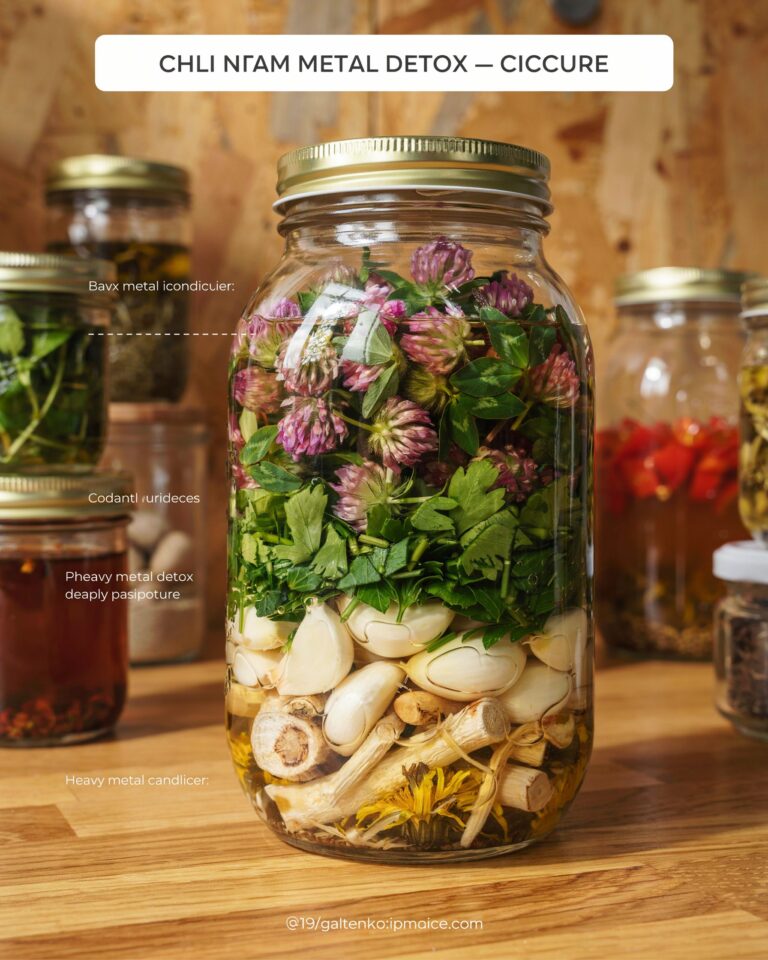
If you have ever eyed a jar of tangy kraut at the farmers market and thought “I could never do that,” I am here to tell you that fermentation recipes for beginners are actually simpler than you think. This fall, as grocery prices creep up and I look for ways to preserve the last of the cabbage and carrots from my garden, I have been turning to my countertop fermenting jars more than ever. You do not need fancy equipment, just salt, water, vegetables, and a little patience. Within a week or two you will have probiotic-rich vegetables that beat anything from a store shelf.
Why Fermenting Vegetables at Home Is Worth the Effort
Homesteading is trending hard right now, and fermented vegetables are a core part of that movement. But beyond the trend, there is real science: lacto-fermentation uses beneficial bacteria to preserve food and boost gut health. I started fermenting because I wanted more probiotic foods without spending a fortune on refrigerated sauerkraut at the co-op. The result? Better digestion, less food waste, and a fridge full of crunch that I actually enjoy eating.
Another reason to try this now is seasonal abundance. Right now (early autumn) cabbages are cheap, carrots are sweet, and radishes are plentiful. By fermenting them today, you lock in that harvest flavor and create a supply of fermented vegetables that will keep for months in your refrigerator.
The Simple Brine Ratio for Crisp Ferments Every Time
Getting the salt level right is the most important step. I use a 2% brine by weight, which means for every 100 grams of vegetables and water, I add 2 grams of non-iodized salt. Iodized salt can turn ferments brown and bitter, so stick with sea salt or kosher salt. A digital kitchen scale makes this foolproof.
For a standard mason jar ferment, here is my go-to method:
- Weigh your chopped vegetables directly in the jar (or in a bowl).
- Add 2% of that weight in salt (e.g., 500g veggies = 10g salt).
- Toss the vegetables with salt, let them sit 10 minutes, then pack them tightly into the jar. The salt will pull out water, creating its own brine.
- If there is not enough liquid to cover the vegetables, top off with a 2% salt water solution (20g salt per 1 liter water).
- Use a glass weight or a cabbage leaf to keep everything submerged. Mold hates being underwater.
This brine ratio works for cabbage, carrots, green beans, and most root vegetables. I keep it simple and rarely stray.
How to Make Easy Sauerkraut in a Mason Jar
My first fermentation recipe for beginners was plain sauerkraut, and I still make a batch every two weeks. You only need cabbage and salt. Shred one medium head of green or red cabbage (about 1 kg), toss with 20g of salt, and massage it with clean hands until the cabbage releases enough liquid to form a brine. That can take 5 to 10 minutes. Pack it into a wide-mouth mason jar, press down firmly, and leave 1 to 2 inches of headspace.
Weigh the cabbage down with a fermentation weight (or a small jar lid filled with water). Cover the jar with a cloth and a rubber band, or use a loose lid that lets gas escape. Let it sit at room temperature (65 to 75°F) for 5 to 14 days. Taste after day 5; pull it when it tastes pleasantly sour and still has crunch. I like mine around day 8. Move it to the fridge and it will keep for months.
Fermented Carrots with Ginger and Turmeric: A Gut-Health Powerhouse
Carrots are one of the easiest vegetables to ferment because they stay crunchy and absorb flavor beautifully. I make this batch monthly for a quick probiotic snack. Peel and slice carrots into sticks or coins. In a bowl, combine about 3 cups of carrot pieces with a 1-inch knob of fresh ginger (thinly sliced), and a teaspoon of ground turmeric. Yes, turmeric stains everything yellow, but it is worth it for the anti-inflammatory boost.
Pack the mixture into a quart jar, then pour over a 2% brine (20g salt per liter of water) until the carrots are completely submerged. Add a weight, close the jar loosely, and ferment at room temperature for 5 to 7 days. The flavor turns tangy and slightly spicy. I eat these straight from the jar or chop them into salads. They are far better than any pickled carrot you can buy.#FermentationRecipes #ProbioticFoods #FermentedVegetables #Homesteading #GutHealth
Leave a Comment