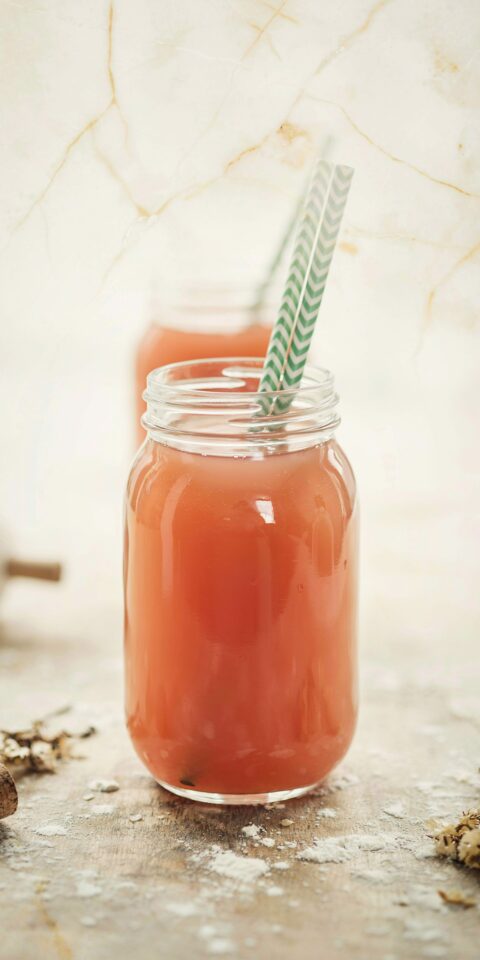
If you have been fermenting your way through the usual black tea kombucha, it is time for a bright, sunny twist. Fermented grapefruit juice kombucha is exactly what your brewing rotation needs this season. This probiotic-rich drink is tangy, naturally fizzy, and packed with fresh citrus flavor. It tastes like a sophisticated soda but with all the gut-healing benefits of homemade kombucha. Plus, it is incredibly easy to make once you understand the simple steps. Let me walk you through the process so you can enjoy a glass of this ruby red goodness within a couple of weeks.
Why grapefruit kombucha is perfect for spring and summer fermenting
Grapefruit peaks in winter and early spring, which makes this recipe a smart seasonal choice. By fermenting fresh grapefruit juice, you capture that bright acidity at its best. Unlike heavy berry or apple flavors, grapefruit cuts through the heat and feels clean on the palate. The natural pectin in the fruit also helps create a lovely, fine bubble structure during the second fermentation. If you are tired of heavy, syrupy sweet drinks, this probiotic alternative will feel like a breath of fresh air.
Another reason to love grapefruit kombucha is its versatility. You can use white, pink, or even ruby red grapefruit depending on your preferred sweetness level. Pink and red varieties tend to be slightly sweeter, which means you can add less sugar in the final bottle. The bitterness of the white grapefruit, on the other hand, plays beautifully with the tang of the starter tea. This is not a recipe you will get bored with because every batch tastes slightly different based on the fruit you choose.
What you need to start brewing fermented grapefruit juice kombucha at home
Before you begin, gather a few basic tools. You likely already own most of them if you have made regular kombucha before. Here is the short list of essentials:
- A 1-gallon glass jar or a large ceramic crock (avoid metal or plastic for fermentation)
- Unbleached cheesecloth or a tight weave kitchen towel plus a rubber band
- A SCOBY (symbiotic culture of bacteria and yeast) and 1 cup of starter liquid from a previous batch
- 6 to 8 cups of filtered water
- 1 cup of organic sugar (white sugar works best for the first fermentation)
- 3 to 4 organic grapefruits (or enough fresh juice to yield about 1.5 cups)
- 3 to 4 brewing bottles with swing top lids for carbonation
Organic grapefruits are strongly recommended because the peels (if you zest any) may harbor pesticides. But even just using the flesh juice, organic fruit gives you cleaner flavor. Also, make sure your starter liquid is strong, with a pH of around 3.0 to 4.0, to keep mold away during the first fermentation.
Step one: Brew the base tea and start the first fermentation
The foundation of any kombucha is sweet tea. Bring 4 cups of filtered water to a boil, then remove from heat and stir in 1 cup of organic white sugar until fully dissolved. Drop in 4 to 6 bags of black tea (or a mix of black and green) and steep for 10 to 15 minutes. Remove the tea bags and let the sweet tea cool to room temperature. Pour it into your 1-gallon jar and add another 4 cups of cool filtered water.
Once the tea is liquid warm, not hot, slide in your SCOBY and pour in the starter liquid. Cover the jar with the cloth and secure it with a rubber band. Place the jar in a dark, warm spot (ideally 72 to 78 degrees Fahrenheit) and let it sit for 7 to 10 days. Taste it after day 7. You are looking for a pleasant tang without overwhelming vinegar. The longer you let it ferment, the less sweet and more acidic it becomes. For a grapefruit infusion later, a slightly longer first fermentation (closer to 10 days) works well because the grapefruit juice will add its own sweetness.
Step two: Prepare fresh grapefruit juice for the second fermentation
This is where the magic happens. While your base kombucha is fermenting, you can prep your grapefruit juice. Squeeze 3 to 4 grapefruits and strain the juice through a fine mesh sieve to remove pulp and seeds. You want about 1.5 cups of juice. If you like a little zing, you can also grate a teaspoon of grapefruit zest and add it to the bottles later. The zest contains essential oils that boost the citrus aroma but keep it minimal because too much zest can turn bitter after a few days.
One pro tip: taste your fresh juice first. If it is too tart for your liking, you can stir in a tablespoon of sugar or honey. But I usually skip extra sweetener because the natural sugar in the juice feeds the yeast during carbonation. The resulting kombucha ends up tangy and slightly sweet without being cloying. If you are aiming for a drier style, use white grapefruit and no added sugar. If you prefer a fruitier, sweeter fizz, go with pink or ruby red grapefruit.
Step three: Bottle and carbonate your homemade grapefruit kombucha
After the first 7 to 10 days, remove the SCOBY from the jar and set it aside in a small bowl with a bit of the fermented liquid. Now you have your plain kombucha ready for flavoring. Ladle the kombucha into your swing top bottles, leaving about an inch of headspace at the top. In each bottle, add a ratio of roughly 1 part grapefruit juice to 4 parts kombucha. For example, if you are using 16-ounce bottles, pour in about 3 to 4 ounces of juice and fill the rest with kombucha.
Seal the bottles tightly and place them back in a warm spot (out of direct sunlight) for 2 to 4 days. This second fermentation builds carbonation. Check the bottles after 48 hours by carefully opening one over a sink. If it fizzes
#kombucha #fermented #grapefruit #probiotic #homemade
Leave a Comment