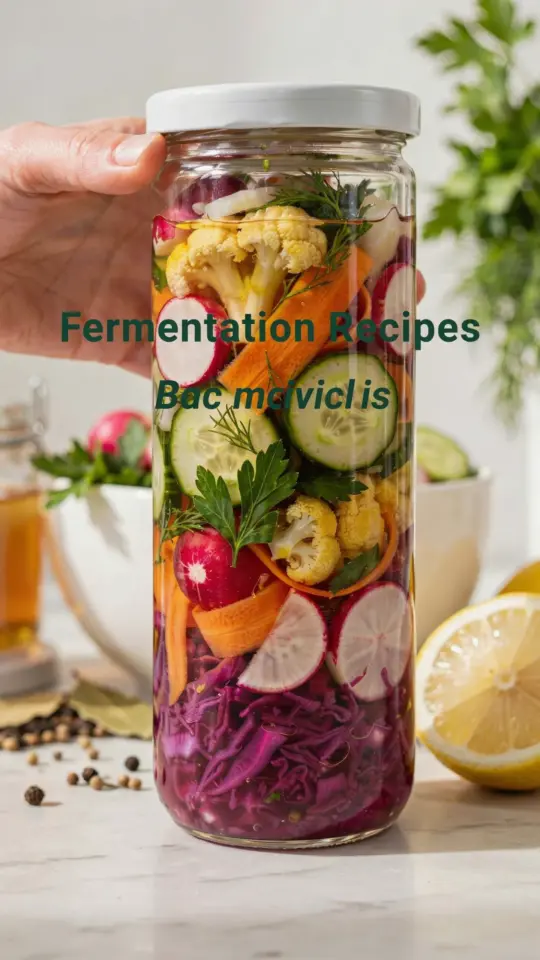
The Truth About Making Fermented Hibiscus Tea (And 6 Mistakes I Made So You Don’t Have To)
I love kombucha, but I don’t always love the price tag or the hassle of maintaining a SCOBY. That’s why I started experimenting with a fermented hibiscus tea recipe a few years ago. It’s cheaper, easier, and the tart floral flavor pairs perfectly with ginger and turmeric. But I messed up a lot. My first batch grew mold. My second batch tasted like vinegar left in a gym sock. After a dozen tries, I finally got a gently fizzy, probiotic-rich drink that actually rivals store-bought kombucha. This guide walks you through the most common mistakes so you can nail this kombucha alternative on your first try.
Mistake #1: Skipping the Starter Culture – How to Start Fermented Hibiscus Tea the Right Way
I thought I could just put tea and sugar in a jar and wait. That works for wild fermentation, but hibiscus tea is naturally low in the bacteria and yeast needed to kick off fermentation. Without a starter, you invite mold and bad bacteria. Use at least half a cup of raw, unflavored kombucha (or whey from yogurt) as your starter. The acetic acid lowers the pH and creates a safe environment for good bacteria. If you don’t have a starter, you can use a SCOBY from a friend, but the liquid is what really matters. One friend gave me a SCOBY with no starter liquid, and that batch also failed. Always use both the liquid and the culture if available.
Mistake #2: Using Tap Water with Chlorine – Why It Kills Your Probiotic Drink
Tap water is convenient, but most municipal water contains chlorine or chloramine. These chemicals are designed to kill microorganisms, and they don’t discriminate. They will kill the beneficial bacteria and yeast you’re trying to cultivate. I learned this the hard way after three flat, lifeless batches. Use filtered water, distilled water, or let tap water sit out uncovered for 24 hours to allow chlorine to evaporate. But note: chloramine does not evaporate. If your city uses chloramine, spring water from the store is your safest bet for a successful probiotic drink.
Mistake #3: Overheating the Turmeric and Ginger – Preserving Gut Health Benefits
Ginger and turmeric are powerful anti-inflammatories, but their beneficial compounds break down at high temperatures. I used to boil them with the water, thinking that would extract more flavor. Instead, I ended up with a murky, slightly bitter tea that had lost most of its gut-friendly properties. Now I steep ginger and turmeric in the hot water after removing it from the heat. Let the water cool to about 180°F (82°C) before adding them, then let it steep for 15 minutes. For a stronger effect, grate the turmeric and ginger fresh instead of using powders. You get more active compounds and a brighter, spicier flavor that survives fermentation.
Mistake #4: Not Sealing the Jar Properly – Dealing with Mold and Kahm Yeast
Fermentation needs air exchange but not contamination. In my early days, I covered my jar with a tight lid. That created anaerobic conditions, which promotes mold and off-flavors. Then I switched to a loose cloth cover, but fruit flies got in. The sweet spot is a clean coffee filter or cheesecloth secured with a rubber band. This allows airflow while blocking insects and dust. If you see a white, powdery film on top of your fermented hibiscus tea, that’s likely kahm yeast. It’s not dangerous, but it tastes funky and can spoil the batch. Kahm yeast often appears when the pH isn’t low enough (less acidic) or when fermentation temperatures hover above 85°F. Keep your jar in a dark spot around 70-78°F for best results.
- Use a coffee filter or cheesecloth, not a tight lid or plastic wrap.
- Secure with a rubber band or string – a jar ring alone isn’t tight enough.
- Check daily for kahm yeast or mold – if you see fuzzy black or green patches, discard the batch.
- Keep the jar out of direct sunlight – UV rays stress the microbes and cause temperature swings.
Mistake #5: Bottling Too Early or Too Late – Getting the Fizz Just Right for Your Kombucha Alternative
Fizz is what makes this drink feel like a treat, not just sour tea. I bottled after only three days once and got flat, barely carbonated liquid. Another time I waited two weeks and ended up with a ge
#fermentedhibiscustea #probioticdrink #kombuchaalternative #hibiscusginger #guthealth
Leave a Comment