Fermented pickles are the easiest way to boost your gut health with homemade probiotics, and they taste far better than anything you can buy. I started making them a few summers ago when my cucumber vines exploded and I needed a way to preserve the harvest without turning on the stove. Lacto-fermentation uses salt, water, and time to create a tangy, crunchy pickle that supports digestion. If you have never tried making fermented pickles at home, now is the season to start. The farmer’s markets are overflowing with cucumbers, and the warm weather helps the fermentation move along steadily.
Why lacto-fermentation creates the crunchiest pickles
Most people think pickling means vinegar, but lacto-fermentation is a completely different process. Beneficial bacteria naturally present on the cucumber skins eat the sugars and produce lactic acid. That acid preserves the vegetables and gives them that classic sour tang. Unlike vinegar pickles, fermented pickles stay crisp because the slow bacterial action does not break down the cell walls as fast as hot brine does. If you want a pickle that snaps when you bite it, this is the method.
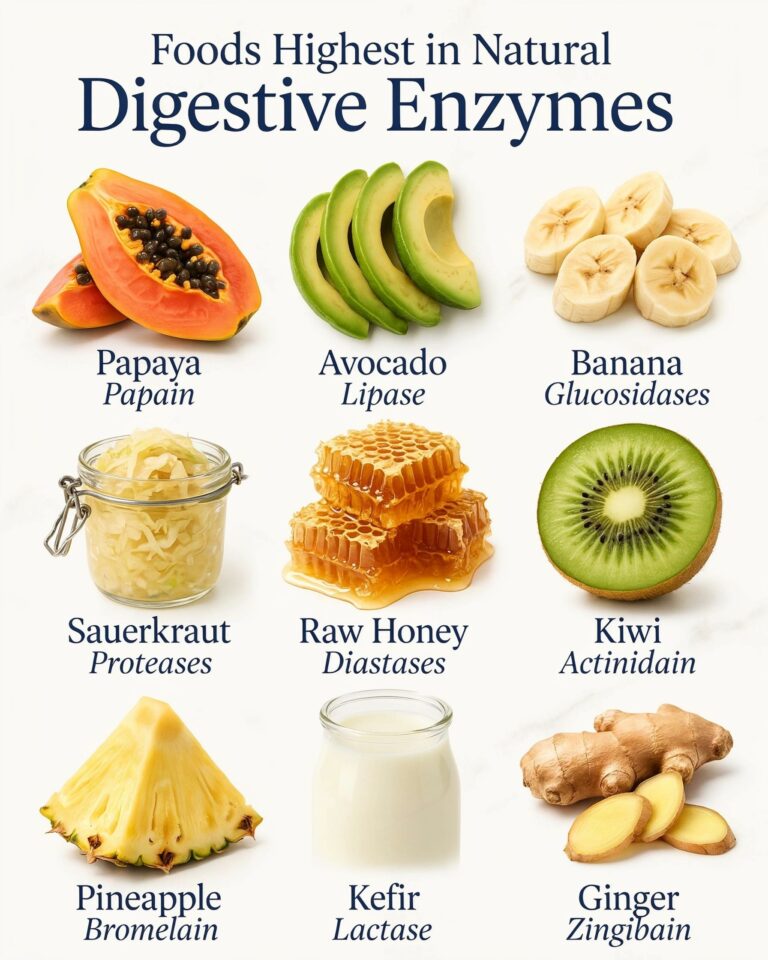
The key is using fresh, firm cucumbers. Soft or wrinkled cucumbers will turn into mush. I always pick small to medium Kirby cucumbers because they have fewer seeds and thicker skins. The fermentation process also creates enzymes and probiotics that support a healthy gut, something vinegar pickles cannot offer. So you get crunch and health benefits in one jar.
Choosing the right cucumbers and seasonings for fermenting pickles at home
Not all cucumbers are equal when it comes to fermenting pickles at home. Look for pickling varieties like Kirby, Boston Pickling, or even Persian cucumbers if they are firm. Avoid salad cucumbers with thin skins and large seeds. They tend to get soft and hollow inside.
You also need fresh dill, garlic, and optionally whole spices. My go-to combination for one quart jar includes:
- 1 pound of small pickling cucumbers (washed, tips trimmed)
- 3 to 4 cloves of garlic, peeled and lightly smashed
- 2 to 3 fresh dill heads or a large bunch of dill fronds
- 1 tablespoon of black peppercorns
- 1 teaspoon of mustard seeds
- A pinch of red pepper flakes (optional, for heat)
Seasonal timing matters here. Dill is at its peak in mid to late summer, so I make a big batch while it is abundant and cheap. If you cannot get fresh dill, dried dill seeds work but the flavor is milder. The spices are flexible; try adding a bay leaf or a slice of fresh horseradish for extra crispness.
Simple lacto-fermentation brine recipe you can adjust
The brine is the heart of lacto-fermentation. You need non-chlorinated water because chlorine kills the good bacteria. I use filtered water or let tap water sit out for a few hours to let the chlorine evaporate. The standard ratio is 2 tablespoons of salt per quart of water. But I prefer a slightly lower salt level for a milder pickle: 1.5 tablespoons of fine sea salt per quart.
Stir the salt into the water until fully dissolved. Some people heat the water to dissolve the salt faster, then cool it down. I just stir for a minute and it dissolves fine. Avoid iodized salt because iodine can inhibit fermentation. Use pure sea salt or kosher salt without anti-caking agents.
To assemble, pack cucumbers tightly into a clean glass jar with the dill and garlic. Pour the brine over them, making sure all cucumbers are fully submerged. Air exposure leads to mold, so you need a weight. I use a small glass fermentation weight, but a ziplock bag filled with brine works too. Close the jar loosely with a lid (or use an airlock lid) and set it on a plate to catch any overflow.
How long to ferment for optimal gut health and flavor
The fermentation time depends on temperature. In warm summer weather (75 to 80 F), the pickles can be ready in 3 to 5 days. Cooler temperatures slow the process to 7 to 10 days. I start tasting after day 3 by pulling out a pickle with clean utensils. The flavor should be sour but not overly salty, and the texture should be firm but not hard.
Once they reach the tanginess you like, move the jar to the refrigerator. Cold stops the fermentation almost entirely, so the pickles will keep for months. The longer they sit in the fridge, the more the flavors mellow and deepen. For maximum probiotic benefit, eat them within a few months. The live cultures are most active in the first few weeks.
One note: cloudy brine is normal. That is the lactic acid bacteria at work. If you see white film on the surface, it may be kahm yeast, which is harmless. Scrape it off and check the smell. If the pickles smell rotten or have fuzzy mold, toss them. But that rarely happens if you keep everything submerged.
Common mistakes when making fermented pickles and how to avoid them
Beginners often run into a few pitfalls. The most common is using chlorinated water, which kills the bacteria and leads to limp, slimy pickles. Another is packing the jar too loosely or too tight. Loose packing lets cucumbers float up and touch the air, while overpacking can prevent brine from circulating. Aim for a snug fit without force.
Temperature swings also cause problems. Direct sunlight or a very hot kitchen can speed up fermentation too much, making the pickles soft and the brine overly fizzy. I keep my jars in a dark cabinet or pantry where the temperature stays consistent. If you are fermenting in early fall and nights get cool, the process will just take longer. That is fine.
Leave a Comment