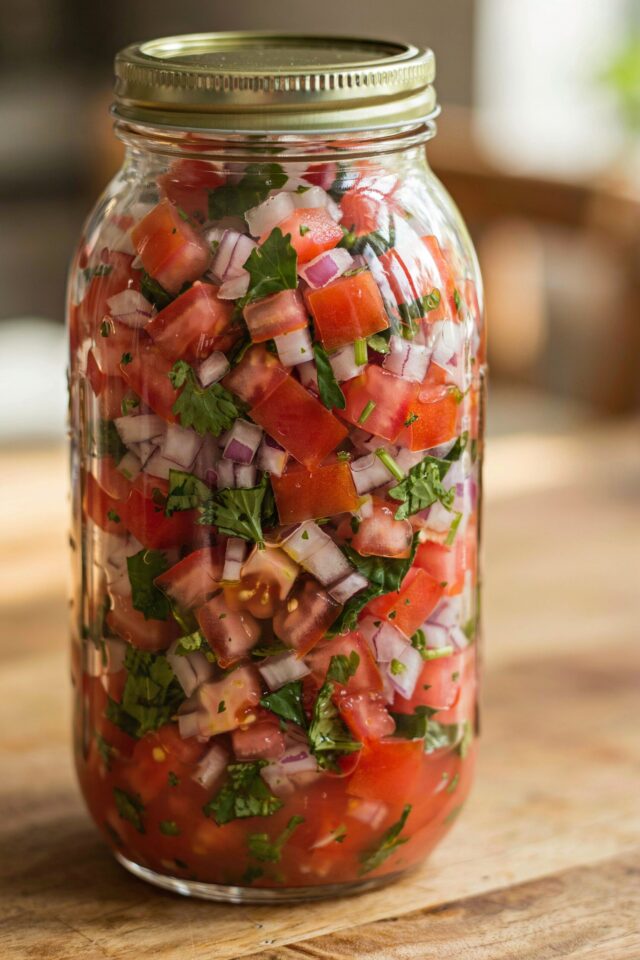
If you have ever tasted a really good homemade salsa, you know the difference between something fresh and something from a jar. But have you tried a fermented pico de gallo recipe? This probiotic salsa takes the familiar chopped tomato, onion, and cilantro mixture and gives it a tangy, complex flavor through simple lacto-fermentation. The best part is that it costs just a few dollars to make, uses basic produce, and does not require any fancy equipment. You can make a batch that lasts weeks in the fridge, saving money and boosting your gut health at the same time.
Why ferment pico de gallo on a budget
Regular pico de gallo goes bad within a day or two. When you ferment it, the salt and beneficial bacteria preserve the vegetables naturally, so you do not have to throw away half a bowl of sad, watery salsa. That alone saves money. Plus, lacto-fermentation adds probiotics without buying expensive kombucha or yogurt. A single fermenting jar costs pennies per serving. You control the salt, the spice, and the ripeness of the tomatoes, so nothing goes to waste. If you are trying to eat healthier without spending extra, this is a genuinely practical project.
What you need for a simple fermented salsa
For this lactofermentation recipe, you only need a few affordable ingredients and one clean jar. Do not let the word fermentation scare you. It is just salt, water, and time. Here is the shopping list with realistic prices:
- 4 to 5 medium ripe tomatoes (about 1 pound) – buy on sale or from a farmer’s market at the end of the day for half price.
- 1 medium white or red onion – the cheapest onion you can find works fine.
- 1 jalapeño or serrano pepper – or skip it if peppers are expensive and add black pepper instead.
- 1 small bunch of cilantro – often sold for 50 cents or grown in a pot on your windowsill.
- 2 to 3 cloves of garlic – buy loose, not the jarred pre-peeled kind.
- 1 tablespoon non-iodized salt – sea salt or kosher salt, about a dime’s worth.
- Clean filtered water – tap water works if you let it sit out for an hour to dechlorinate.
- 1 wide-mouth pint or quart jar – a repurposed pickle jar works perfectly.
Step by step: fermenting pico de gallo for gut health
Chop your tomatoes, onion, pepper, and cilantro into small, uniform pieces. The goal is fork-friendly chunks, not mush. Place everything in a mixing bowl. Add the salt and crushed garlic, then stir well. The salt draws out moisture from the vegetables, which creates the brine that feeds the good bacteria. Let the mixture sit for 10 minutes, then pack it firmly into your clean jar, pressing down so the liquid rises above the solids. If the brine does not cover the vegetables, add a little water with a pinch of salt dissolved in it. Leave at least an inch of headspace at the top, then screw on the lid loosely. Set the jar on a small plate to catch any overflow. Let it sit at room temperature, out of direct sunlight, for 2 to 4 days. Taste it after 2 days. When the tang is bright and the vegetables still have a little crunch, move the jar to the fridge. That is it.
How to adjust spice and flavor without spending extra
You do not need to buy fancy dried chiles or smoked paprika to make this homemadesalsa taste interesting. Instead, use what you already have. If you like heat but cannot find fresh chiles, add a pinch of crushed red pepper flakes. For a smoky note without buying liquid smoke, roast the garlic in a dry skillet before adding it. If cilantro tastes like soap to you (genetics are real), substitute fresh parsley or even chopped green onion tops. You can also stir in a teaspoon of dried oregano or cumin seeds when you add the salt. The fermentation process mellowes strong flavors, so do not be shy. The whole point is to use what you already have and avoid spending money on specialty items.
What to do with fermented pico de gallo (beyond tacos)
This probiotic salsa is not just a dip for chips. I use it as a quick chunky salad dressing for black beans and greens. It makes a fantastic topping for scrambled eggs or a baked potato. Because it is fermented and stays good for weeks, I spoon it into grain bowls or mix it with canned tuna for a no-cook lunch. The probiotics are live, so do not heat the salsa above 115°F if you want to keep the gut benefits. But even if you do cook it, you still get the vitamins and reduced food waste. For meal prep, make a double batch and give a jar to a friend. That is a cheap, thoughtful gift.
Common mistakes that waste ingredients (and how to avoid them)
When I first started fermenting pico de gallo, I made two big errors. First, I used iodized salt. That can kill the fermentation bacteria and make the salsa taste slightly metallic. Stick with plain salt. Second, I filled the jar too full and the brine bubbled all over my counter. Leave headspace and always put the jar on a plate. Another mistake is refrigerating too early. If you move the jar to the fridge before the fermentation begins, you get salty chopped vegetables, not tangy salsa. Wait until you clearly see tiny bubbles rising and taste a pleasant sourness. If mold appears on top, do not panic. Skim it off and check that your vegetables were fully submerged. Usually the salsa underneath is fine. If it smells rotten or is slimy, toss it. But honestly, that rarely happens if you keep everything clean and use enough salt.
Storage tips to stretch your salsa even further
Once your fermented pico de gallo is in the fridge, it keeps for 4 to 6 weeks. The flavor deepens over time, getting more complex and less harsh. I recommend portioning it into smaller jars after the first week so you are not opening a large jar every day
#fermentedpicodegallo #probiotics #lactofermentation #guthealth #homemadesalsa
Leave a Comment