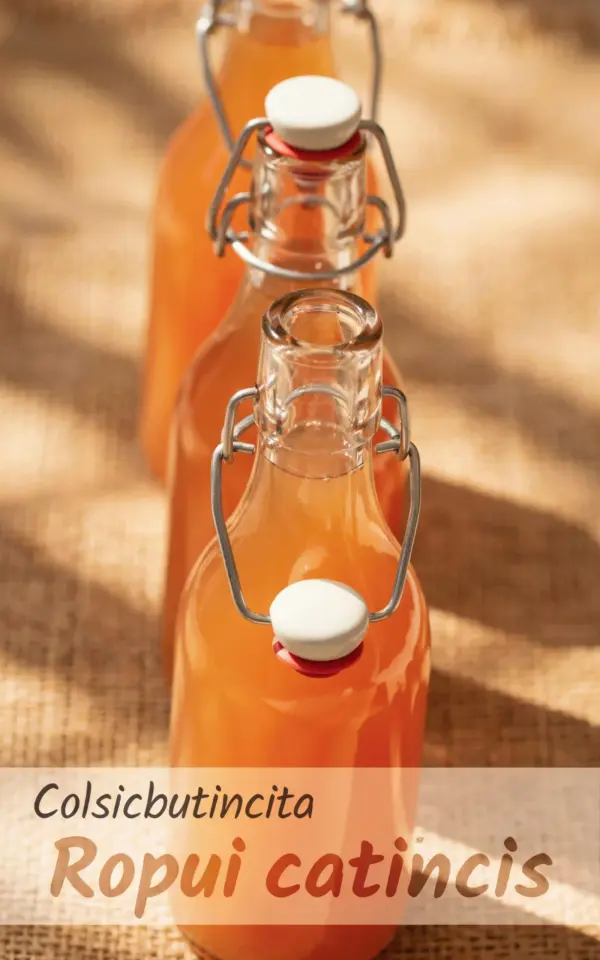
Last fall I stumbled across a patch of wild rosehips while hiking near my homestead, and it sparked an idea: why not turn these free, vitamin-packed fruits into a fizzy, gut-friendly drink? That is how I landed on this fermented rosehip soda recipe, a probiotic wild fermentation that costs almost nothing to make. If you are looking for a homestead summer drink that is both thrifty and delicious, you have come to the right place. Let me walk you through the whole process, from foraging to bottling, with plenty of real-world tips I have learned along the way.
Why Rosehips Are Perfect for Homemade Probiotic Soda
Rosehips are one of those forgotten wild foods that deserve a comeback. They are incredibly high in vitamin C (even more than oranges) and contain antioxidants that support your immune system. Best of all, they grow for free in hedgerows, fields, and along roadsides. If you do not have access to wild ones, you can buy dried rosehips in bulk for a few dollars per pound, which still beats store-bought soda any day.
For a probiotic soda, the natural sugars and pectin in rosehips provide just enough food for beneficial bacteria and yeast to kick off a gentle fermentation. The result is a lightly tart, floral, and bubbly drink that feels fancy but costs pennies per batch. Plus, you control the sweetness and spice level, no artificial anything.
What You Need for a Wild Fermentation Starter on a Budget
You do not need fancy starter cultures or expensive equipment. A wild fermentation starter can be as simple as a spoonful of whey from homemade yogurt, a ginger bug you culture yourself, or even the natural yeast living on the rosehips themselves. Here is what I use for the cheapest route:
- Fresh or dried rosehips – about 2 cups, foraged or bulk bought.
- Filtered water – chlorine can kill the good microbes.
- Unrefined sugar or honey – honey costs more, but you only need a little.
- A fermentation starter – I use whey leftover from straining yogurt, but you can also use a few tablespoons of live kefir grains or a ginger bug (ginger, sugar, water fermented for 5 days).
- A glass jar and a swing-top bottle – recycle an old kombucha or beer bottle.
If you want to go even cheaper, skip the starter and rely solely on the wild yeast on the rosehips. Just add a little sugar and let it sit for a day or two before bottling. It works, though the fizz will be milder.
Step by Step: How to Make Fermented Rosehip Soda
Making this probiotic soda is easier than you think. I will share the method I use every summer, and it has never failed me. Start by rinsing your rosehips and roughly crushing them with the back of a spoon to release the flavors and seeds. Place them in a clean quart jar and cover with filtered water, leaving an inch of headspace.
Add 2 tablespoons of sugar (or honey) and 2 tablespoons of your chosen starter. Stir well, then cover with a cloth and rubber band. Let it sit at room temperature for 48 to 72 hours, stirring once a day. You will notice bubbles forming, that is good. Taste it after two days; it should be slightly tart and a little sweet. If you want more tang, let it go one more day.
Strain out the rosehips through a fine mesh sieve or cheesecloth into a bowl. Pour the liquid into a swing-top bottle, leaving about an inch of headspace. Add any flavorings now (ginger, lemon zest, vanilla, etc.). Seal the bottle and let it sit at room temperature for another 24 to 48 hours to build carbonation. Then move it to the fridge to slow down the fermentation. Open carefully, the fizz builds fast.
Sweeten with Honey or Spice with Ginger for a Unique Twist
Plain rosehip soda is lovely, but you can easily customize it without spending extra money. A thumb-sized knob of fresh ginger, peeled and sliced thin, added during the first steep gives a warm, spicy kick that pairs beautifully with the floral rosehip flavor. I often throw in a cinnamon stick or a few cloves for a chai-like version.
For sweetness, honey is my go to because it adds its own probiotic benefits and a richer taste. But honey can slow down fermentation slightly, so I add it at the bottling stage rather than in the
#FermentedRosehipSoda #ProbioticSoda #WildFermentation #RosehipRecipe #HomesteadDrinks
Leave a Comment