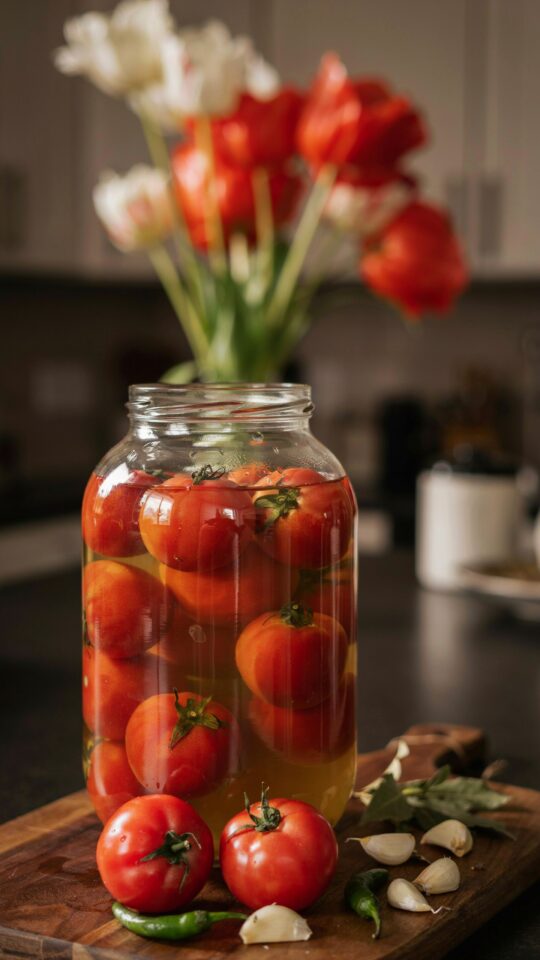
If you have never tried fermented tomatoes, you are missing out on one of the easiest and most rewarding ways to preserve summer flavor. Unlike quick pickles or canned tomatoes, fermented tomatoes develop a tangy, bold taste with a satisfyingly crisp texture that works equally well as a snack, a salad topper, or a side dish. The process is simple, requires almost no special equipment, and yields a probiotic-rich condiment that keeps for months in the fridge. In this practical guide, I will walk you through every step, including the key trick of rinsing tomatoes with baking soda before fermenting to ensure a clean, safe batch. No fancy jars or complicated techniques needed, just honest, hands-on advice from someone who has made more tomato ferments than I can count.
Why Bother Fermenting Tomatoes at Home?
Before we get into the recipe, let me tell you why this method beats store-bought pickled tomatoes every time. Fermentation creates natural probiotics that support gut health, and the lacto-fermentation process preserves the tomatoes without any vinegar or heat processing. That means the tomatoes stay firm and crunchy, not mushy, and the flavor deepens over time. Plus, you control the salt level, the spice, and the herbs. It is a true easy ferment that even beginners can nail on the first try. I started fermenting tomatoes because my garden often produced more than I could eat fresh, and this method turned them into a pantry staple I actually crave.
Choosing the Best Tomatoes for Fermenting
Not all tomatoes are created equal for fermentation. You want firm, ripe tomatoes with low water content. Cherry tomatoes, Roma tomatoes, and small plum varieties work beautifully because they hold their shape. Avoid overripe or mushy tomatoes, they will turn into mush in the brine. Also skip watery beefsteak types unless you want a softer, almost saucy result (which is fine for some recipes, but not if you want crunch). For the best tomato ferment, look for tomatoes that are just fully ripe, still slightly firm to the touch. If you can only find soft tomatoes, you can still ferment them, but expect a softer texture and possibly more sediment at the bottom of the jar.
Step-by-Step Fermented Tomatoes Recipe
Here is my go-to fermented tomatoes recipe that I use every season. It yields about one quart jar of finished product, but you can scale up easily.
Ingredients:
- 2 pounds firm ripe tomatoes (cherry or Roma work best)
- 1 tablespoon baking soda for rinsing
- 1 quart filtered or non-chlorinated water
- 1.5 tablespoons sea salt (not iodized), dissolved in the water to make a brine
- Optional flavorings: 4 cloves garlic (smashed), 1 teaspoon black peppercorns, 1 bay leaf, fresh dill or basil
Instructions:
First, rinse the tomatoes thoroughly under cool water. Then place them in a bowl with the baking soda and enough water to cover. Swish them around gently and let them sit for 5 minutes. This step is critical for removing surface microbes and any pesticide residue, giving you a clean fermentation with less risk of mold. Rinse the tomatoes again with fresh water.
Next, prepare the brine by dissolving the salt in the filtered water. Stir until completely clear. Pack the tomatoes into a clean wide-mouth quart jar, leaving about an inch of headspace. Add your garlic and herbs if using. Pour the brine over the tomatoes until they are fully submerged. You may need to use a fermentation weight or a small jar lid to keep the tomatoes below the surface, otherwise they can develop kahm yeast or mold. Close the jar with a lid, but do not screw it on tightly, just finger tight so gas can escape. Alternatively, use a fermentation lid with an airlock.
Place the jar on a plate or in a shallow bowl to catch any overflow. Let it sit at room temperature (65-75°F) for 3 to 7 days. Start tasting after day 3. The tomatoes are ready when they taste pleasantly tangy and sour, like a cross between a pickle and a sun-dried tomato. They should still be firm, not slimy. Once you like the flavor, move the jar to the refrigerator. The fermentation slows down in the cold, and the tomatoes will last for months.
The
#FermentedTomatoes #FermentationRecipe #TomatoFerment #PicklingAtHome #EasyFerment
Leave a Comment