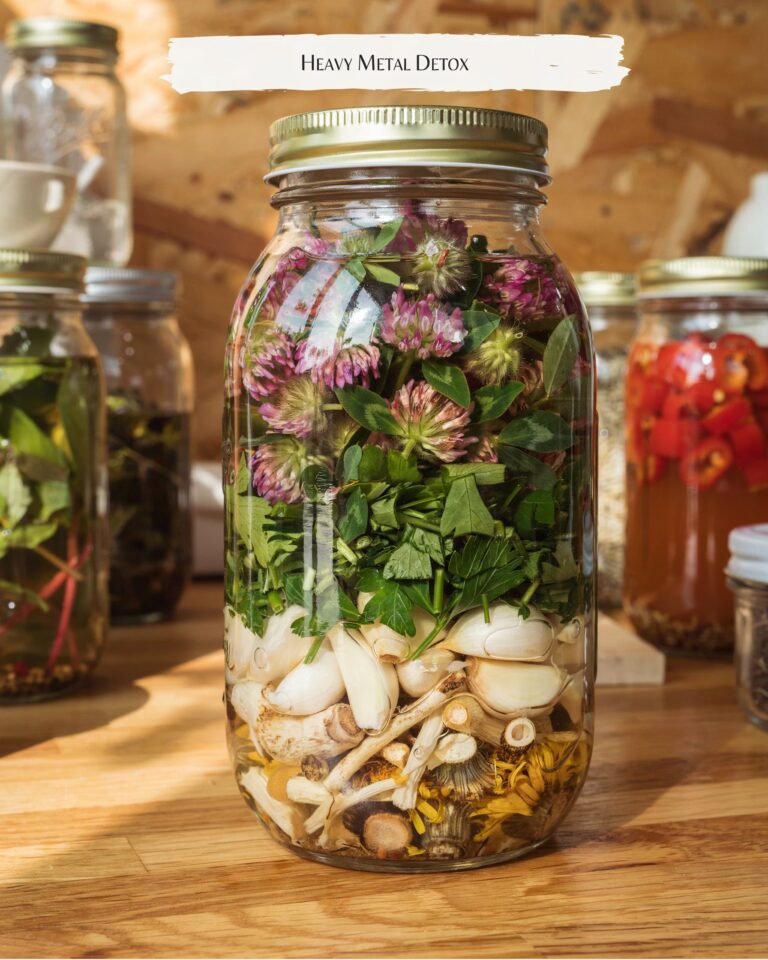
I know what you're thinking: fermenting vegetables at home sounds like a science project best left to hippies and professional chefs. But trust me, after a couple of simple batches of sauerkraut and kimchi, you'll wonder why you didn't try fermented vegetable recipes sooner. Not only do they taste amazing, but they also pack your gut with probiotics that make digestion so much easier. And the best part? You don't need a fancy lab or expensive equipment. Just a jar, some salt, and a little patience.
Classic Sauerkraut: The Easiest Place to Start
Think of sauerkraut as the gateway ferment. It's basically cabbage plus salt, and that's it. I love this simple sauerkraut recipe because it's nearly impossible to mess up. Shred one head of green cabbage, toss it with about one tablespoon of fine sea salt per pound of cabbage, and massage it until the leaves release their liquid. Pack the mixture tightly into a clean jar, making sure the brine covers the cabbage. Screw on the lid loosely and let it sit at room temperature for one to three weeks. Taste it every few days; when it's tangy enough for you, move the jar to the fridge.
The magic happens when the salt draws out the natural sugars and the lactic acid bacteria take over. That tangy crunch is not just delicious; it's loaded with live probiotics. I like to add a few caraway seeds for a traditional German twist, but plain cabbage works beautifully too.
Easy Kimchi Recipe for Beginners
Kimchi can seem intimidating because the ingredient list is longer, but I promise it's still beginner-friendly. My go-to easy kimchi recipe starts with napa cabbage. Cut it into quarters, salt the leaves generously, and let them sit for two to three hours. Rinse and squeeze out the water. Then mix a paste of gochugaru (Korean red pepper flakes), minced garlic, grated ginger, fish sauce, and a little sugar. Toss the cabbage with the paste, plus some shredded carrots and scallions. Pack it into a jar, press down to remove air bubbles, and leave it on your counter for a few days. Burp the jar daily to release gas.
I will warn you: the smell is strong while it ferments. But after about five days, you get this spicy, funky, umami bomb that tastes incredible on rice or in soups. If you don't eat fish, you can use a tablespoon of soy sauce or miso paste instead. The fermentation process still works because the salt and vegetables provide the good bacteria.
Fermented Carrot Sticks with Ginger and Turmeric
If you want a milder, beginner-friendly probiotic food, try fermented carrot sticks. I make these all the time because they stay crunchy and barely taste sour. Peel and cut carrots into sticks that fit your jar. For a quart jar, dissolve half a tablespoon of sea salt in two cups of non-chlorinated water. Add a few slices of fresh ginger and a quarter teaspoon of turmeric powder for color and anti-inflammatory benefits. Pour the brine over the carrots, weigh them down with a clean glass weight or a small bag filled with extra brine, and cover the jar. After about five to seven days at room temperature, you'll have bright orange sticks that taste like a slightly tangy, spiced pickle.
The turmeric gives them a beautiful golden hue, and the ginger adds a gentle warmth. These are perfect for snack plates or chopped into salads. They also work well in blood sugar management because the fermentation process helps break down some of the natural sugars.
Spicy Fermented Radishes: A Quick Probiotic Boost
Radishes ferment faster than most vegetables, sometimes in just three days. That makes them a great choice if you want instant gratification. I slice red radishes about a quarter inch thick and pack them into a pint jar with a few cloves of garlic and a small dried chili. Cover them with a 2% salt brine (two teaspoons of salt per cup of water). Leave the jar on the counter, and by day two you'll see tiny bubbles forming. By day three, they taste crisp, peppery, and pleasantly sour. I love adding a sprig of dill for a pickle-like flavor.
These are fantastic on tacos or alongside a cheese plate. Because radishes are naturally high in sulfur compounds, the fermentation process can sometimes make the brine a little cloudy; that's totally normal. As long as there's no mold or slime on top, you're good to eat them.
Mixed Vegetable Medley: Make Your Own Fermented Giardiniera
Once you're comfortable with single-vegetable ferments, try a mixed batch. Homemade fermented vegetables like a classic Italian giardiniera are incredibly satisfying. I use a combination of cauliflower flore
#FermentedVegetableRecipes #SauerkrautRecipe #KimchiRecipe #ProbioticFoods #HomeFermentation
Leave a Comment