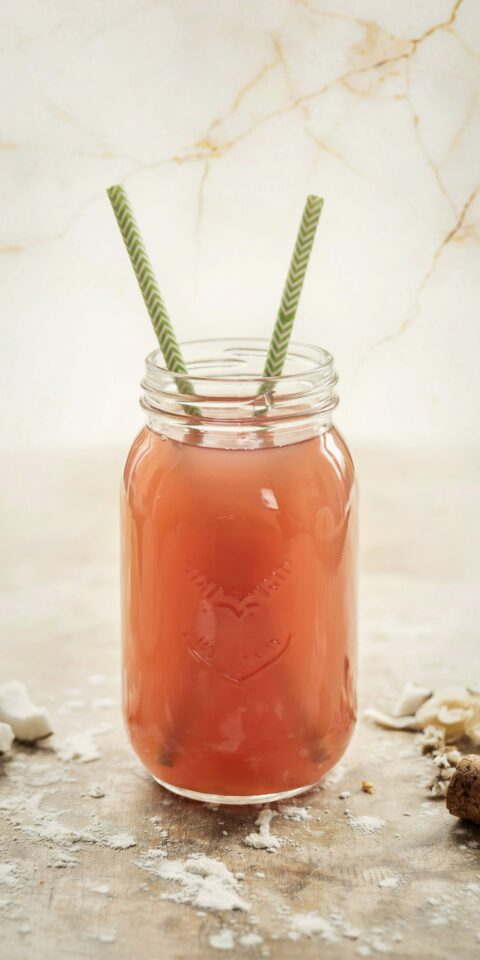
Why Grapefruit Kombucha Goes Flat (and How to Fix It)
Grapefruit kombucha promises a bright, tangy fizz that rivals any store-bought soda. But if you have ever opened a bottle to find a sad, still liquid with barely a bubble, you know the disappointment. I have been there more times than I would like to admit. The usual suspects are low sugar content in the juice, a too-short second ferment, or opening the bottle too often to check. Grapefruit is naturally less sweet than mango or apple, so the yeast needs a little help.
The fix is simple: use fresh-squeezed grapefruit juice and add a small amount of sugar or simple syrup if the juice tastes very tart. Also, keep the bottles sealed tight at room temperature for at least 48 hours before refrigerating. Avoid peeking. The carbonation builds steadily, and each time you open the lid you lose pressure.
Choosing the Right Grapefruit Juice for Fermentation
Not all grapefruit juice works well for a second ferment. I learned this the hard way when I tried bottled juice from the store that had preservatives. The kombucha just sat there, flat and lifeless. Commercial juices often contain potassium sorbate or sodium benzoate, which kill the yeast and bacteria that make fizz. Always check the label. Organic, unpasteurized juice is ideal, but fresh-squeezed is even better.
If you use fresh grapefruits, pick ripe ones that feel heavy for their size. They will be juicier and naturally sweeter. A balanced grapefruit kombucha comes from juice that is not too sour. Too much acid can slow fermentation and make the final drink taste harsh. Taste your juice first. If it puckers your mouth, add a teaspoon of sugar per cup of juice before mixing it with your starter kombucha.
The Biggest Mistake: Overloading Your Bottles with Fruit
More fruit does not mean more flavor. In fact, putting too much grapefruit juice or pulp into your bottles can lead to explosive messes or, worst case, broken glass. The yeast in kombucha feasts on the sugar in the juice and produces carbon dioxide. If there is too much sugar, fermentation goes into overdrive. I once filled a swing-top bottle almost half full with grapefruit puree, and the next day I found glass shards in my kitchen. Nobody wants that.
- Use no more than 10 to 20 percent juice or fruit per bottle. For a 16-ounce bottle, that is about 1.5 to 3 ounces of grapefruit juice.
- Strain out big pulp pieces if you want to avoid clogging the bottle neck or getting uneven carbonation.
- Leave at least an inch of headspace in the bottle to allow pressure to build safely.
If you love a strong grapefruit taste, you can add a little zest (no white pith) instead of more juice. That gives you the citrus punch without extra sugar. Your kombucha will still be fizzy and flavorful without the risk of a bottle bomb.
Watch Out for Over-Fermentation and Exploding Bottles
Grapefruit kombucha ferments faster than you might expect because the natural sugars break down quickly. Over-fermentation is the number one reason new brewers get scared off. I remember my first successful batch when I left bottles on the counter for four days during a heat wave. Every single one erupted like a volcano when I opened it. Lucky for me, the mess was mostly on the ceiling.
To avoid this, check your bottles after 48 hours. Refrigerate them once they feel firm when you press the cap with your thumb (do not shake them first). Cold stops fermentation and keeps the fizz dissolved. If you live in a warm climate, the ferment may finish in 36 hours. Use a fridge thermometer if you are unsure. And never, ever leave them at room temperature for more than 72 hours unless you are deliberately making a very tart, low-sugar brew.
Letting Your Brew Age Too Long (Or Not Long Enough)
Timing is everything with grapefruit kombucha. Let it sit too long and the flavor turns metallic or bitter, thanks to the grapefruit peel compounds breaking down. Not long enough and you get a flat, barely carbonated drink that tastes like weak tea with citrus. My sweet spot is two to three days at 70 to 75°F (21 to 24°C). If your kitchen is cooler, it might take four days, but taste test after day three.
One trick I use is to keep a small plastic soda bottle as a tester alongside my glass swing-tops. When the plastic bottle feels rock hard, the rest are ready to go into the fridge
#grapefruitkombucha #kombuchabrewing #fermenteddrinks #homemadekombucha #probioticdrinks
Leave a Comment