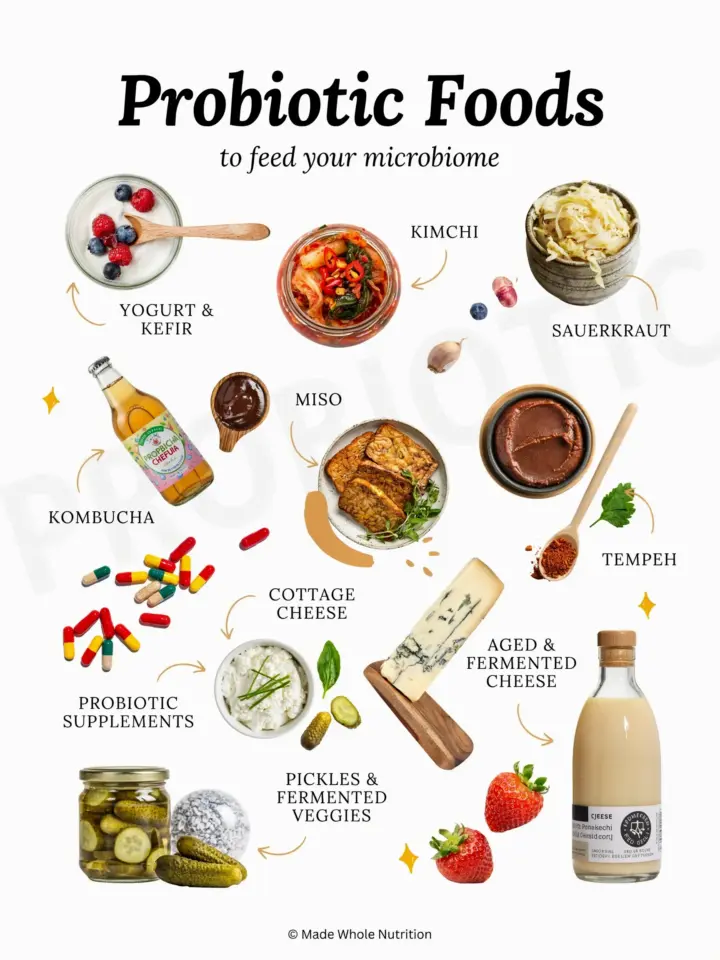
If you have been looking for a way to improve your microbiome health, this fermented foods guide is designed to help you take the first steps without feeling overwhelmed. The connection between a balanced gut and overall wellness is well established, and adding fermented foods to your daily routine is one of the most practical ways to support digestion and immunity. This article acts as a curated roundup of ideas, each section focusing on a different theme, so you can pick what fits your lifestyle. Whether you are new to pickling or already enjoy probiotic-rich recipes, the handout bundle mentioned here will give you a clear roadmap for your gut healing journey.
How Fermentation Naturally Supports Your Gut Health
Fermentation is an ancient process that transforms raw ingredients into foods teeming with beneficial bacteria. When you eat these foods, the live microbes travel to your intestines and help balance the ecosystem of your microbiome. This balance is crucial because it influences everything from digestion to your immune response. Unlike some supplements, fermented foods provide a diverse range of bacterial strains along with prebiotic fibers that feed those bacteria. I have seen people notice fewer digestive complaints and more consistent energy after adding just one serving of fermented vegetables a day.
A common question is whether all fermented foods contain live probiotics. Many store bought items are pasteurized, which kills the active cultures. That is why making your own or choosing unpasteurized options from the refrigerated section is important. The handout bundle in this guide includes specific labels and brand recommendations to help you shop wisely.
Pickling as a Simple Entry Point for Beginners
If you feel intimidated by fermentation, start with pickling. Quick pickles made with vinegar are not technically fermented, but lacto fermented pickles require only salt, water, and vegetables. The process is forgiving and produces a tangy, crunchy snack that is packed with probiotics. I recommend beginning with cucumbers or carrots because they hold their texture well. You do not need special equipment, just a clean jar and some non iodized salt.
- Use about 2% salt by weight of the vegetables and water combined.
- Submerge everything under the brine to prevent mold.
- Leave the jar at room temperature for 5 to 7 days, then move it to the fridge.
- Taste daily after the third day to find your preferred level of sourness.
Once you master the basic brine, you can experiment with spices like dill, garlic, or peppercorns. The handout bundle includes a printable chart with brine ratios and timing for a dozen different vegetables. This takes the guesswork out of your first batch.
Probiotic Rich Dairy Ferments: Yogurt and Kefir for Daily Use
Dairy ferments are among the most studied probiotics for gut health. Yogurt and kefir both provide live cultures, but kefir typically contains a wider variety of strains because it uses a symbiotic culture of bacteria and yeasts. If you tolerate dairy well, adding half a cup of plain kefir to your morning smoothie can significantly boost your daily probiotic intake. I prefer homemade yogurt because it lets me control the thickness and tartness, and it is surprisingly simple with a slow cooker or an Instant Pot.
For those who are lactose intolerant, the fermentation process breaks down most of the lactose, so many people tolerate kefir and yogurt without issues. Start with a small serving and see how you feel. The probiotic handout bundle contains step by step instructions for making both yogurt and kefir, plus flavor combinations that avoid added sugar. You can even use coconut milk if you want a dairy free option, though you will need a starter culture designed for non dairy bases.
Fermented Vegetables for Microbiome Diversity
Beyond cabbage and cucumbers, there is a whole world of fermented vegetables that can increase the variety of microbes in your gut. Diversity is a key marker of a healthy microbiome. I encourage people to rotate through different vegetables and seasonings. For instance, fermented beets offer a sweet earthy flavor and are rich in betalains that support liver function. Fermented radishes add a spicy kick and are ready in just a few days. You can also ferment green beans, cauliflower, or even chopped fennel.
The trick is
#fermentedfoods #guthealth #probiotics #pickling #microbiome
Leave a Comment