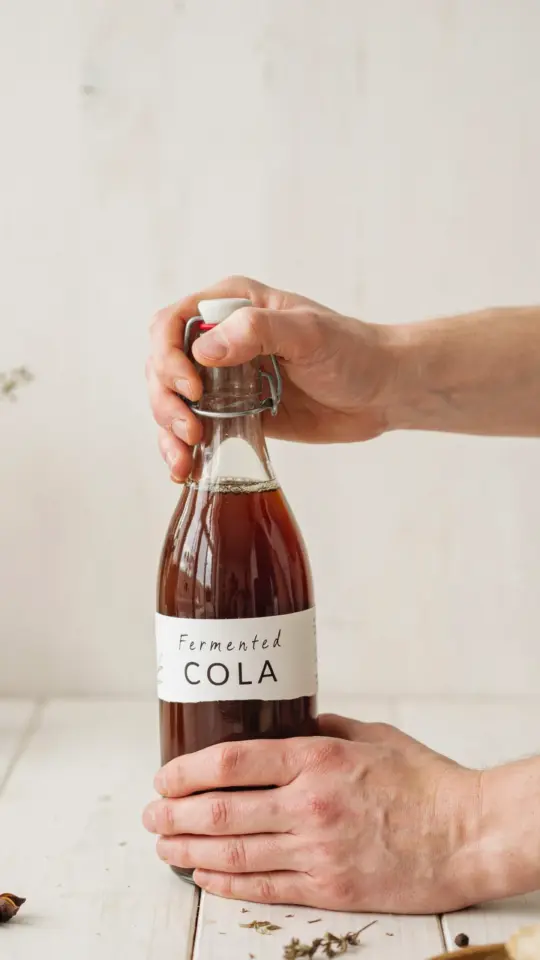
My First Attempt at Naturally Fermented Homemade Cola
I still remember the day I first cracked open a bottle of my own naturally fermented homemade cola. The hiss, the tiny bubbles racing up the glass, and that first sip that tasted like a root beer float had a baby with a kombucha. It was not like the syrupy stuff from the store. It was tangy, spicy, and alive. That experience hooked me on probiotic drinks, and it taught me more about fermentation than any textbook could. I want to share exactly what worked (and what fizzed up in my face) so you can skip the mess and go straight to that perfect glass of gut friendly soda.
Why Choose a Probiotic Drink Over Store Bought Soda
Most sodas you buy are basically sugar water with artificial flavors and carbon dioxide pumped in. They have zero live cultures, zero enzymes, and zero gut health benefits. A homemade probiotic drink, on the other hand, uses wild bacteria and yeast to create natural carbonation and complex flavors. The fermentation process also breaks down some of the sugar, so you end up with a beverage that actually supports digestion instead of wrecking it.
I started making fermented sodas because my stomach was a mess after years of coffee and energy drinks. Within a few weeks of swapping my afternoon can of Coke for a homemade cola probiotic, I noticed less bloating and way more energy. That’s not a sales pitch, it’s just what happened when I fed my gut real, living food.
Simple Fermentation Recipes: What You Actually Need to Start
You don’t need exotic equipment or a science lab. For this fermented cola recipe, grab a few basic tools and ingredients that are probably in your kitchen right now.
- A glass jar or swing top bottle (1 liter works best for a first batch)
- Filtered water (chlorinated tap water can kill the good bacteria)
- A sugar source (organic cane sugar or rapadura, not honey, because honey has antimicrobial properties that slow fermentation)
- A cola flavor blend (more on that below)
- A starter culture (whey from yogurt, water kefir grains, or a splash of raw apple cider vinegar with the mother)
I prefer using water kefir grains as my starter because they produce a reliably fizzy result without a strong vinegar taste. But whey works fine too, just expect a slightly different flavor profile.
Your Probiotic Cola Recipe: Step by Step (No Guesswork)
This is the method I settled on after about six batches that ranged from flat to explosive. I’ll give you the exact ratios that finally gave me a consistent, bubbly, gut healthy drink.
Ingredients for 1 liter of cola probiotic soda:
- 1 liter filtered water
- 3 tablespoons organic cane sugar (not white refined, the molasses in cane sugar adds minerals for the bacteria)
- 2 tablespoons cola flavor syrup (homemade or store bought, but make sure it has no preservatives)
- 2 tablespoons water kefir grains or 1/4 cup whey
Instructions:
First, dissolve the sugar in a small amount of warm water and let it cool to room temperature. Pour it into your jar, then add the rest of the water and the cola syrup. Stir gently. Add your starter culture. Cover the jar with a cloth and a rubber band (or a loose lid) and let it sit at room temperature for 2 to 3 days. Taste it after 48 hours. It should be slightly sour and have a gentle fizz. If it tastes sweet still, let it go another day. Then transfer to a swing top bottle for a second fermentation to build strong carbonation. Leave the sealed bottle on the counter for 12 to 24 hours, then move it to the fridge. Chill for at least 4 hours before opening.
Warning: Open the bottle over a sink the first time. My second batch sprayed my kitchen ceiling. Fermentation is alive, and it likes to prove it.
Fermentation Course Ideas: Turn One Recipe Into Endless Variations
Once you have the basic cola down, you can explore so many fermentation recipe ideas. I often run mini workshops for friends, and here are three course modules based on what I’ve actually taught.
- Spice Blends 101: Swap the cola syrup for homemade blends like vanilla + cinnamon + star anise. Or try ginger + cardamom + black pepper. Each combination creates a completely different probiotic drink.
- Fruit Infusions: Add 1/2 cup of mashed berries or chopped mango during the first fermentation. The natural sugars feed the bacteria and add a beautiful color. My favorite is sour cherry cola, it tastes like a grown up cherry Coke.
- Herbal Sodas: Use strong brewed herbal tea as your base instead of water. Hibiscus and mint make a stunning red soda that’s packed with antioxidants and probiotics.
These ideas work perfectly for a weekend fermentation class. People love that they can customize every batch and actually see the bubbles forming day by day.
What I Learned About Gut Health and Fermentation (The Hard Way)
I used to think that any fermented
#fermentedcola #homemadesoda #probioticdrink #fermentationrecipes #guthealth
Leave a Comment