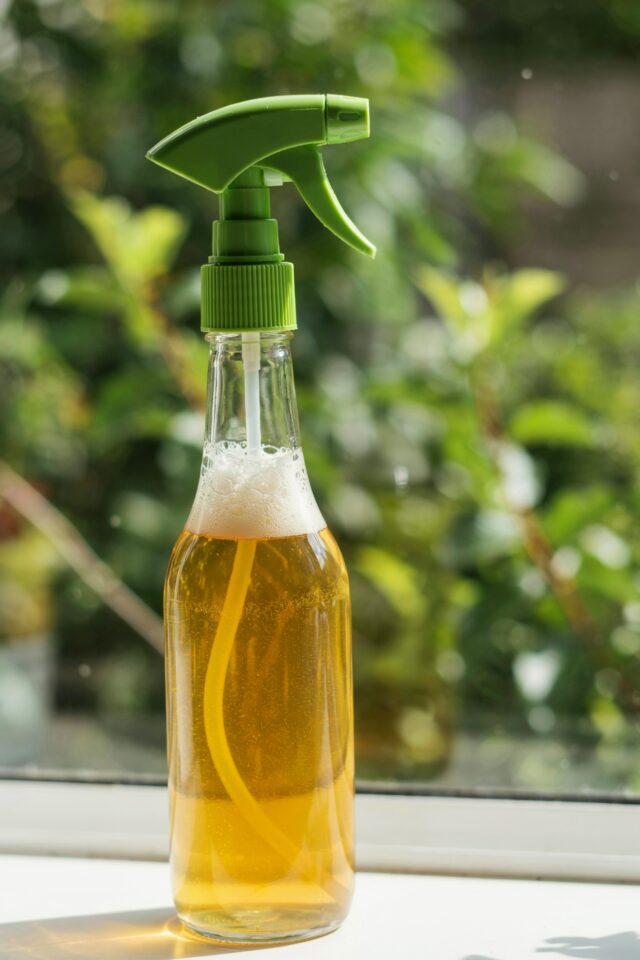
If you brew your own kombucha, you know that moment when a batch sits a little too long on the counter. It turns sharp, vinegary, and honestly a bit unpleasant to drink. But don’t pour it down the drain. That over-fermented kombucha all-purpose cleaner is one of the most surprising and effective DIY natural home cleaning sprays you can make. It cuts grease, kills bacteria, and leaves surfaces streak-free without any harsh chemicals. And with spring cleaning season just around the corner, this is the perfect time to turn your fermented mistake into a multitasking household hero.
Why Over-Fermented Kombucha Becomes a Natural Cleaning Powerhouse
The magic happens because kombucha is basically sweet tea fermented by a SCOBY. When you let it ferment too long, the yeast and bacteria consume all the sugar and produce more acetic acid. That’s the same key ingredient in white vinegar. The result is a mild but effective acid that dissolves grime and disinfects naturally. Unlike store-bought vinegar, kombucha vinegar brings a slightly fruity scent and contains live enzymes that can help break down stubborn residues. I’ve been using it on my kitchen counters for months, and it handles coffee stains and sticky jam spills better than any spray I’ve bought.
Ingredients for Your DIY Kombucha Cleaner
You only need a few things, and chances are you already have most of them in your pantry. This recipe makes about 16 ounces of spray, enough for a week or two of regular cleaning.
- 1 cup over-fermented kombucha (the older and more vinegary, the better)
- 1 cup water (distilled or filtered to avoid mineral spots)
- 10 to 15 drops of essential oil (I prefer lemon or tea tree for extra cleaning power and a fresh scent)
- Glass spray bottle (plastic can absorb odors and react with the acid over time)
- Optional: 1 teaspoon of Castile soap for extra grease fighting power, but skip it if you plan to use the spray on glass or mirrors
How to Make Your Over-Fermented Kombucha All-Purpose Cleaner
Start by straining your over-fermented kombucha through a fine mesh sieve or cheesecloth. Sometimes stringy bits of SCOBY float around, and you don’t want those clogging your spray nozzle. Pour the strained kombucha into your glass bottle, then add the water and essential oils. If you’re using Castile soap, add it last and swirl gently to mix. Don’t shake hard or you’ll create foam that takes forever to settle. That’s it. You’re done in about two minutes.
I like to let the mixture sit for an hour before using it so the essential oils fully integrate. The smell is way more pleasant than typical vinegar sprays. Plus, the lemon oil adds a natural antibacterial boost. If you don’t have essential oils, you can use fresh citrus peels steeped in the kombucha overnight, then strain. That’s a zero-waste bonus trick I picked up from a friend who cleans everything with kitchen scraps.
Where to Use This Natural Kombucha Cleaner Safely and Effectively
This spray works great on sealed countertops, sinks, stovetops, bathroom tiles, and even windows. Because it’s acidic, avoid using it on natural stone like marble or granite unless the surface is completely sealed. Test a small hidden area first. I use it daily on my quartz counters and stainless steel sink with zero issues. It also does a nice job on cutting boards to neutralize odors. Just spray, let it sit for 30 seconds, and wipe with a damp cloth.
For a deeper clean in the bathroom, spray the mixture on shower walls and faucets, then scrub with a soft sponge. The kombucha vinegar helps dissolve soap scum and hard water spots without leaving a film. I’ve even used it to wipe down the inside of my fridge before a big grocery run. It cuts through sticky juice drips and leaves a faint lemony scent that doesn’t linger on food.
Tips for Getting the Best Results Every Time
Store your cleaner in a cool, dark place. Heat and light can degrade the kombucha’s acidity over time. I keep mine under the kitchen sink and make a new batch every two weeks. If you notice the smell turning funky or a moldy layer forming on top, toss it and start fresh. That’s rare if you use a clean bottle, but better safe than sorry.
One thing I
#kombuchacleaner #diycleaner #naturalcleaning #kombuchause #
Leave a Comment