Why Your Sour Kombucha Is Still a Win
You pull your jar of homemade kombucha out of the cabinet, pour a glass, and take a sip. It smells like vinegar, tastes sharp, and makes your cheeks pucker. You have just discovered over-fermented kombucha. Most people pour it down the drain, but that is a waste of good bacteria and flavor. I have been brewing kombucha for years, and I have learned that this tangy liquid is a secret weapon in the kitchen and around the house. This guide walks you through 10 cheap, practical uses that turn your mistake into a resource. No fancy equipment needed, just a little creativity and a willingness to save money.
How to Tell If Your Kombucha Is Over-Fermented (And Still Safe)
Before you start reusing that sour brew, know the difference between fermenting too long and spoiling. An over-fermented batch is safe, just very acidic. It smells like strong apple cider vinegar, tastes sour, and may have extra sediment at the bottom. If you see mold (fuzzy, dry patches on top) or smell rot, toss it. Otherwise, you are good to go.
A simple test: dip a clean spoon and taste a tiny bit. If it is sour but still has that fermented tang you recognize, it is fine. The longer fermentation breaks down most of the sugar, making it less sweet and more vinegary. That vinegar character is exactly what makes it useful for cleaning, cooking, and even gardening.
Practical Use #1: DIY All-Purpose Cleaner (Best Budget Option)
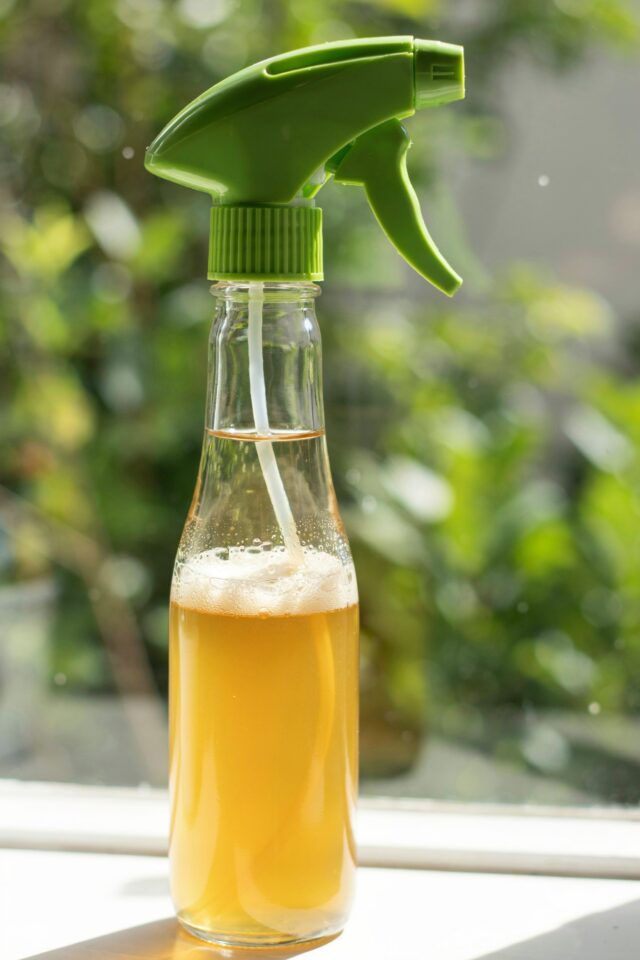
Store-bought natural cleaners cost a lot, but your over-fermented kombucha works just as well. The acetic acid kills many common household bacteria, cuts grease, and leaves surfaces shiny. Here is my go-to cleaner recipe that costs pennies per bottle.
- Mix 1 part over-fermented kombucha (strained if it has sediment) with 1 part water in a spray bottle.
- Add 10 to 15 drops of tea tree or lemon essential oil for scent and extra antimicrobial power (optional).
- Shake gently and label the bottle. Use on countertops, sinks, stovetops, and bathroom tiles.
- Avoid using on granite or marble, the acid can etch natural stone. Stick to sealed surfaces.
I have used this cleaner for three years and it handles coffee stains and grease splatters better than anything from the supermarket. Plus, it costs almost nothing since the kombucha would have been wasted otherwise.
Use #2: Tangy Salad Dressing Without Extra Cost
That overly sour kombucha replaces vinegar in vinaigrettes. Because it already has a complex fermented flavor, you get depth without buying specialty vinegars. Try this basic dressing for a quick lunch.
Whisk together 3 tablespoons of over-fermented kombucha, 2 tablespoons of olive oil, 1 teaspoon of Dijon mustard, and a pinch of salt and pepper. If it is too sharp, add a tiny drizzle of honey or maple syrup. The living bacteria also add a probiotic boost, though the acidity may reduce the count if you let it sit too long. Use it within a few days for best taste.
Use #3: Flavorful Marinade for Tough Cuts of Meat
Acidic liquids tenderize meat, and over-fermented kombucha does this job perfectly. It breaks down connective tissue in cheaper cuts like chuck roast or chicken thighs, making them fork-tender. Plus, the fermented notes add a mild tang that pairs well with garlic, ginger, and soy sauce.
Simple marinade recipe: combine 1 cup over-fermented kombucha, 2 tablespoons soy sauce, 2 cloves minced garlic, and 1 teaspoon black pepper. Submerge your meat (2 to 3 pounds) in a sealed bag and refrigerate for 4 to 6 hours. Do not go overnight or it can get mushy. Grill, bake, or pan-sear as usual. The result is juicy and flavorful, and you just saved money by not buying a bottled marinade.
Use #4: Boost Your Compost Pile or Garden Soil
If your kombucha is too sour even for cooking, your garden will still accept it. The live bacteria and yeast feed soil microbes, and the mild acidity can help break down organic matter in compost. Pour straight over-fermented kombucha into a compost pile, or dilute 1 part to 5 parts water and water your plants with it once a month.
Be careful with potted houseplants. Some plants dislike acidic soil. Test on a small area first. I have used diluted kombucha on my tomato plants and saw stronger growth, but your results may vary depending on your soil pH.
Use #5: Homemade Kombucha Vinegar for Pickling
Let that over-fermented batch sit another week or two at room temperature (open container, covered with a cloth) and it turns into raw kombucha vinegar. This vinegar has a milder, fruitier taste than white vinegar. Use it to pickle cucumbers, onions, or carrots. Just heat the kombucha vinegar with salt and sugar (adjust to taste), pour over sliced vegetables, and refrigerate. You get refrigerator pickles in 24 hours.
I keep a jar of kombucha vinegar on my counter for quick pickled red onions. They add a tangy crunch to tacos and salads without needing to buy special vinegar.
Use #6: Sourdough Starter Booster (No Waste Left Behind)
If you bake sourdough bread, add a tablespoon of over-fermented kombucha to your starter during feeding. The yeast and bacteria give it an extra fermentation kick, especially if your starter is sluggish in cold weather. Do not replace the water entirely; just supplement a small amount. This trick revived my starter last winter when it stopped bubbling after a few days of neglect. It costs nothing and uses up that sour liquid.
Use #7: Hair Rinse for Shine (Surprisingly Effective)
Vine
#OverFermentedKombucha #KombuchaUses #KombuchaCleaner #FermentationTips #HomemadeKombucha
Leave a Comment