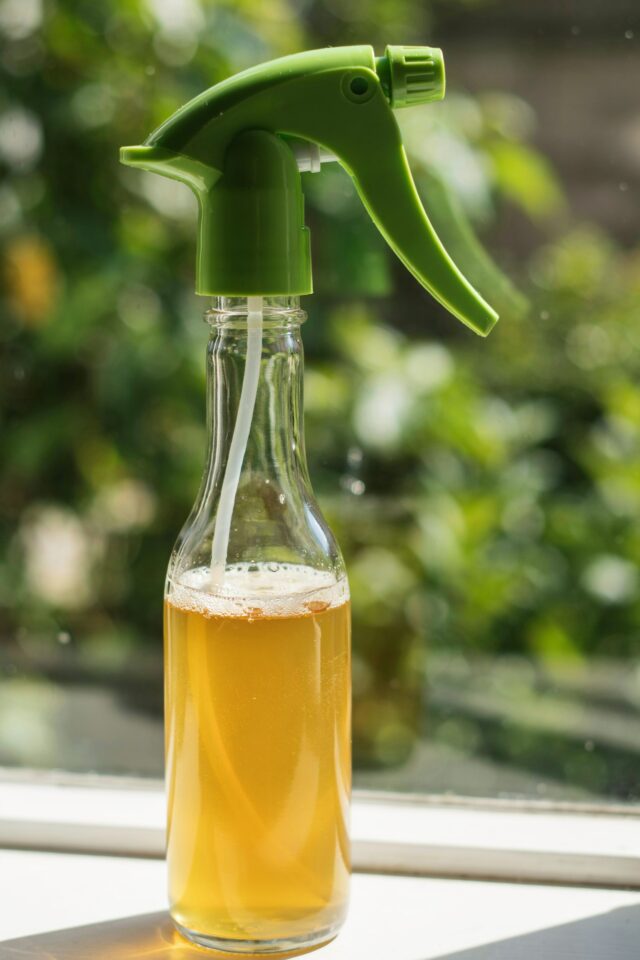
You opened your kombucha brew a week late, and now it tastes more like sour vinegar than tea. Before you pour it down the drain, know this: over-fermented kombucha uses actually solve a common household problem. That sharp, acidic liquid is a natural cleaning powerhouse. With a few simple additions, you can turn a failed batch into an all-purpose cleaner that cuts grease, removes grime, and leaves surfaces fresh without harsh chemicals. Save your brew and stop wasting what fermentation gave you.
Why Over-Fermented Kombucha Works as a Natural Cleaner
The magic happens because over-fermented kombucha has a high acetic acid content, similar to distilled white vinegar. Acetic acid breaks down mineral deposits, soap scum, and light grease. It also shifts the pH of surfaces, making it harder for bacteria to stick around. Unlike synthetic cleaners, this homemade version doesn’t release volatile organic compounds into your air. It is a simple, effective disinfectant for everyday messes.
You do not need to worry about the alcohol content either. By the time the kombucha is over-fermented, most alcohol has converted to acetic acid. What remains is negligible for cleaning purposes. The smell may be strong at first, but it fades quickly once dry, especially when you add a few drops of essential oil.
How to Make Your Own Kombucha All-Purpose Cleaner
This recipe is about as simple as it gets. You need three ingredients: over-fermented kombucha, water, and essential oil. The ratio matters for both effectiveness and smell. Here is the basic formula I use.
- 1 part over-fermented kombucha (strained through a fine-mesh sieve or cheesecloth to remove any yeast strands or sediment)
- 1 part water (filtered or tap, either works fine)
- 10 to 15 drops of essential oil per cup of liquid – lemon, tea tree, lavender, or a mix
Combine the kombucha and water in a glass spray bottle. Add the essential oil, secure the lid, and shake gently. That is it. The scent masks the vinegar note while adding mild antimicrobial properties. Tea tree and lemon are my go-to pair for kitchen counters and cutting boards.
Simple Steps to Prepare and Store Your Kombucha Cleaner
Strain the kombucha first or you may end up spraying floaters across your countertops. I learned that the hard way. Use a fine sieve or a coffee filter for an ultra-smooth liquid. Pour it into a clean glass bottle rather than plastic, because the acidity can slowly degrade plastic over time. A recycled glass spray bottle from an old cleaner works perfectly.
Store your cleaner in a cool, dark cabinet away from direct sunlight. It stays effective for about two to three months. If you see any cloudiness or mold growth, toss the batch and make a fresh one. That rarely happens if you keep the bottle clean.
Where to Use Your Kombucha Cleaner Around the Home
This natural cleaner handles a wide range of surfaces, but it is not for everything. Use it on kitchen counters, stovetops, sinks, bathroom tiles, toilet exteriors, and glass shower doors. It cuts through the light layer of grease on your range hood and leaves chrome faucets shiny without streaks. I also use it on my wooden cutting boards once a week to refresh them.
What about stone surfaces like granite or marble? The acid in the kombucha can etch natural stone over time, so avoid those. Similarly, keep it away from unsealed grout, waxed floors, and cast iron. For those, stick to plain water or a dedicated stone cleaner. Always test a small hidden spot before going wild with any new cleaner.
Tips for Getting the Most Out of Your Homemade Cleaner
Shake the bottle before each use because the essential oil can separate. Spray the surface and let it sit for thirty seconds to a minute before wiping. That contact time gives the acetic acid a chance to work on bacteria. Use a microfiber cloth rather than a paper towel for better pickup and less waste.
If you want a stronger disinfectant, increase the kombucha to water ratio to 2 to 1 instead of 1 to 1. But be prepared for a stronger vinegar smell. You can also add a teaspoon of borax per cup for extra scrubbing power on tough tub rings, but skip that on surfaces you eat off. For a streak-free glass finish, wipe with a dry microfiber cloth after the spray.
A Seasonal Note on Fermentation and Cleaning
Right now, with spring cleaning season ramping up, homemade cleaners feel especially timely. Many people are looking for ways to reduce plastic waste and avoid synthetic fragrance blends that linger for hours. Over-fermented kombucha fits that trend perfectly. You are repurposing a fermentation mishap into something that actually works, and you are cutting down on store-bought cleaner bottles.
Summer heat speeds up fermentation, so you may find more batches going sour faster. That is a good thing for your cleaning supply. Keep a designated jar in your fridge for kombucha that passes the drinkable window. When the jar fills up, strain and make a
#OverFermentedKombucha #KombuchaCleaner #AllPurposeCleaner #NaturalCleaning #Fermentation
Leave a Comment