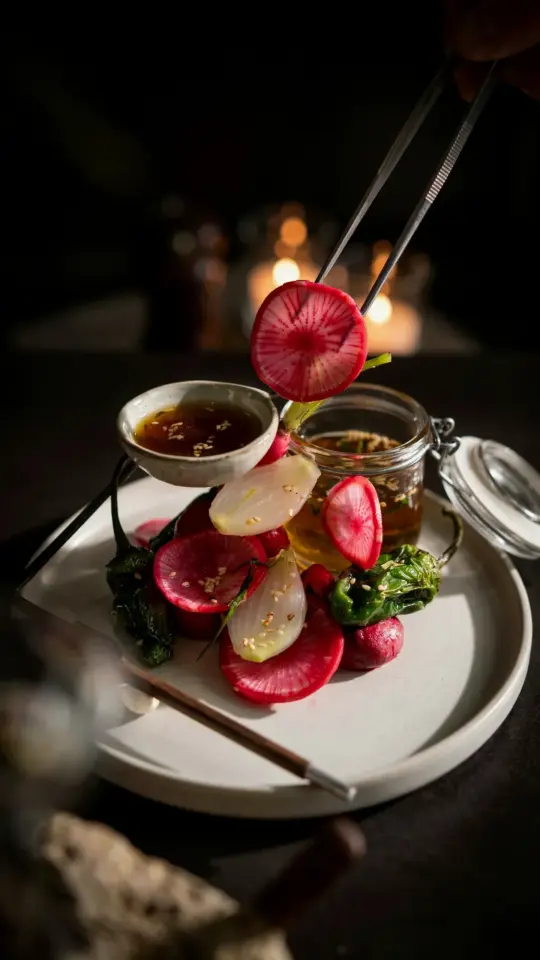
I still remember the first time I tried to make a fermented radish recipe. I was so excited. I sliced those bright red radishes into thick, chunky coins and packed them into a jar with brine. A week later I opened it, took a bite, and nearly spit it out. They were floppy, soft, and completely sad. The crunch was gone. All that work for a mushy mess. Honestly, it crushed me. But look, that mistake taught me the single most important rule for crunchy pickled radishes: slice them thin. Really thin. And that’s the secret I want to share with you today.
Ok so this article is about avoiding that exact pitfall. Whether you’re making a quick pickled radish for tacos or a longer fermented batch for snacking, the thickness of your slices will make or break the texture. Here’s the thing: radishes are mostly water. When you ferment them, salt draws out moisture. Thick slices trap too much water inside, and instead of a crisp bite you get a soft, almost mealy texture. But thin rounds? They release moisture evenly, stay firm, and develop that satisfying snap. Not gonna lie, it’s a game changer.
Why Crunchy Pickled Radish Texture Matters So Much
Crunch is the whole point of a good pickled radish, right? I mean, nobody opens a jar hoping for limp vegetables. That crisp, clean bite is what makes fermented radish salad so addictive as a side or a taco topping. And there’s a science reason too. When radishes stay crunchy, they also keep their vibrant color and that sharp, peppery bite. Mushy ones turn dull in both flavor and looks. Honestly, I’d rather eat a raw radish than a soft fermented one.
So how do you guarantee crunch? First, understand that fermentation softens vegetables naturally over time. Enzymes and bacteria break down cell walls. But you can slow that down by controlling two things: slice thickness and salt concentration. If you get those right, your pickled radishes stay firm for weeks, sometimes months. I’ve had a jar last three months in my fridge and they were still snappy. Not bad for something that started as a kitchen experiment.
The Common Fermentation Mistake That Ruins Radishes
Slice them too thick. That’s it. That’s the mistake. I see it in so many online recipes and it drives me crazy. People cut radishes into half-inch or even thicker coins because they think it looks rustic. But in fermentation, thick slices are a liability. The brine doesn’t penetrate evenly. The inside stays too wet while the outside gets soft. The result is a texture that feels like a deflated balloon.
I once tried a batch with radishes cut into wedges. Big mistake. The wedges were uneven, some parts crunchy, other parts mush. It was like playing texture roulette every time I grabbed one. Not fun. So please, for the love of all things pickled, go thin. I’m talking 1/8 inch or even thinner if you have a steady hand or a mandoline. A mandoline is your friend here. One quick pass and you have uniform slices that ferment consistently.
How Thin Should You Slice for Fermented Radish Salad
Here’s my rule of thumb: aim for slices that are about the thickness of a nickel. A little thinner is fine too. If you can see light through the slice, you’re in good shape. For round radishes (like red globe or French breakfast), use a sharp knife or a mandoline set to 2-3 millimeters. For long daikon radishes, I stick to the same thickness but cut them on a bias to get larger, elegant ovals.
Why thin slices work better: they offer more surface area for salt to pull out moisture. That moisture exits faster, leaving the cell structure intact and crispy. Plus, thin slices cure faster. You can eat a quick pickled radish in as little as two hours at room temperature. Fermented versions need a few days, but they still get there faster than thick chunks. Honestly, thin slices also look prettier in a jar. You get those beautiful translucent edges. I’m a sucker for a pretty jar.
One weird thing I learned: if you slice too thin (like paper thin), the radishes can get a bit limp because they lose too much water too fast. So there’s a sweet spot. Nickel thickness, maybe a touch thinner, is perfect. I’ve tested this with dozens of batches. Trust me.
Salt Ratio for Crunchy Pickled Radishes
Slice thickness is half the battle. The other half is salt. Too little salt and your radishes won’t ferment properly, and they’ll get soft. Too much salt and they’ll be inedibly salty but still crunchy. The sweet spot for a fermented radish recipe is 2% to 3% salt by weight of the vegetables plus water. That means for every 100 grams of radish and water combined, add 2 to 3 grams of salt. Simple math.
But here’s a practical tip: if you’re doing a quick pickle (no fermentation, just vinegar and salt), you can go a bit heavier on salt, up to 4%, because the acidity also helps preserve crunch. For actual fermentation, stick to 2.5% to be safe. I use fine sea salt, not iodized table salt, because iodine can inhibit fermentation and give a weird taste. Also, don’t skip the salt. I once tried a low-salt batch because I was feeling health-conscious. The result was a jar of sad, slippery radish slices. Never again.
Not all salt is created equal. Kosher salt and pickling salt work great. Just weigh it. Don’t rely on volume measurements because salt crystals vary in size. A digital scale costs fifteen bucks. Buy one. It’ll save your pickles.
Best Radish Varieties for Fermented Radish Recipes
- Red globe radishes – classic, spicy, and they hold crunch well when sliced thin. My go-to for a quick batch.
- French breakfast radishes – elongated, mild, and super crisp. They look gorgeous in a jar with their pink and white stripes.
- Daikon radish – large, white, and mild. Great for longer ferments because they stay firm even after weeks. Slice into half-moons or sticks, but still keep them thin.
- Watermelon radish – green outside, magenta inside. They look stunning and have a mild peppery kick. But they can get soft faster, so definitely go thin (like 2mm max).
- Black radish – intense, earthy, and almost horseradish-like. Not for everyone, but if you like bold flavors, thin slices fermented with garlic are fantastic.
Ok, one odd personal detail: I once bought a watermelon radish that was shaped like a small elephant’s foot. No joke. It was lumpy and weird. I fermented it anyway, sliced thin, and it tasted fine. But it looked hilarious in the jar. Anyway, the point is that any radish can work as long as you slice it right. Even the weirdly shaped ones.
Quick Pickle Radish vs Long Ferment: Timing and Texture
You can get crunchy pickled radishes two ways. The first is a quick pickle with vinegar, salt, and sugar. That takes two hours to overnight. The second is a true lacto-fermentation with only salt and water, which takes three to seven days depending on temperature. Both produce crunch if you slice thin. But the texture is different.
Quick pickled radishes stay very firm because the acetic acid in vinegar strengthens cell walls. It’s like a crisp snap, almost like eating a fresh radish. Fermented radishes get a gentler crunch, more like a dill pickle. They soften a tiny bit but remain satisfying. I actually prefer the fermented version because it develops that tangy, complex flavor. But if you’re in a hurry, quick pickle works great. Honestly, sometimes I do both. A quick batch for tacos on Tuesday, a ferment for snacking next week.
Timing matters. For a ferment, start tasting on day three. If they’re crunchy and pleasantly sour, move the jar to the fridge to slow fermentation. If you leave them at room temp for ten days, they will get softer, even with thin slices. So don’t let them go too long unless you want a mushy result. I’ve had radishes go from perfect to floppy in two days when the room was warm. Keep an eye on them.
Creative Ways to Use Your Fermented Radish Salad
So you’ve got a jar of perfect, crunchy pickled radishes. What now? First, put them on tacos. I mean, that’s the classic move. A fish taco with pickled radish slices and a squirt of lime is heaven. But also try them on avocado toast, mixed into a grain bowl, or just eaten straight from the jar as a snack (I’ve been guilty). Their tangy crunch cuts through rich foods like cheese or grilled meat.
Another idea: chop the fermented radish slices finely and use them as a relish on hot dogs or sausages. Seriously. It’s like a spicy, sour sauerkraut alternative. Or add them to a simple salad of shredded cabbage, cilantro, and lime. That’s my go-to summer side dish. The radishes add a pop of color and a zingy kick. You can even blend some into a dressing with olive oil and herbs, but that’s an advanced move. Start simple.
And here’s a little secret: the leftover brine is gold. Use it as a marinade for chicken or as a splash in bloody marys. It’s full of probiotic goodness. Don’t throw it out.
Anyway, I think that covers everything you need. Slice thin, salt correctly, and don’t let your radishes ferment too long. You’ll get that perfect crunch every time.
If you try this fermented radish recipe, let me know how it goes. Leave a comment below or tag me in your pickle photos. I love seeing what people make. And if you have a weirdly shaped radish story, I’m all ears.
#fermentedradish #pickledradish #fermentationrecipes #radishsalad #quickpickle
Leave a Comment