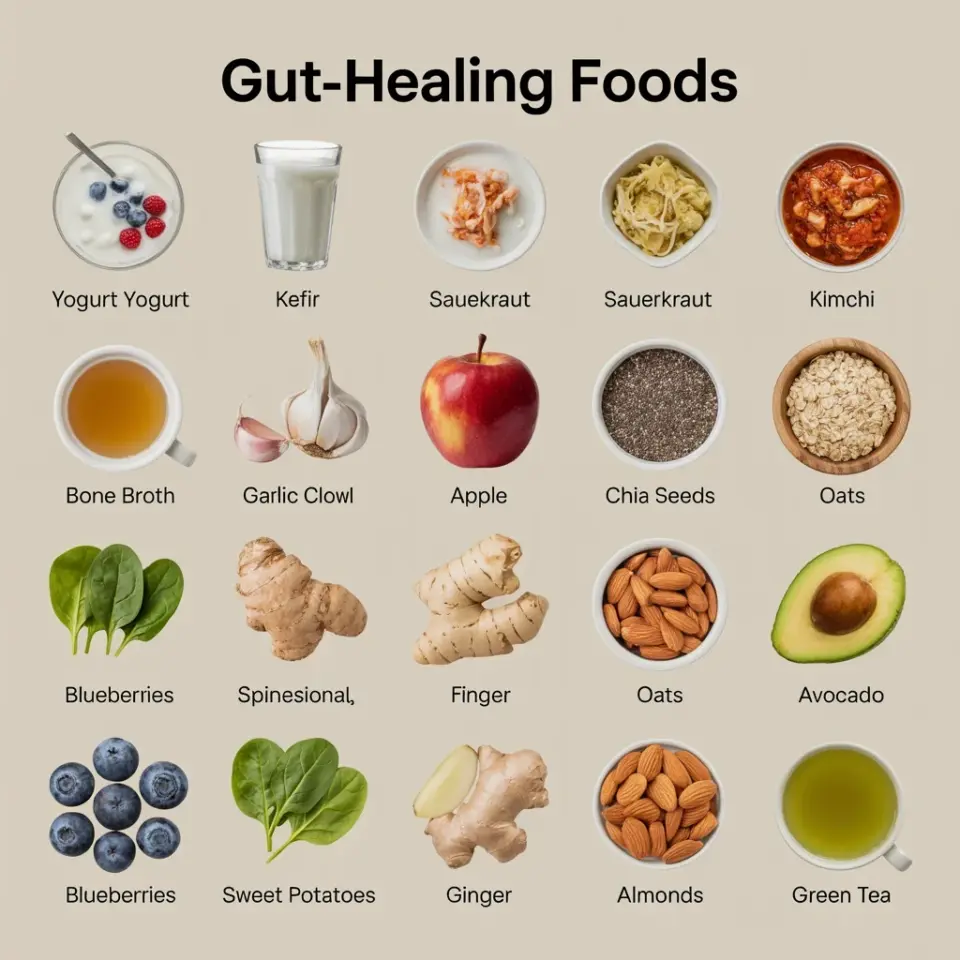
If you have been searching for real, lasting ways to support your digestion, guthealingfoods like homemade sauerkraut and fermented pickles might be exactly what your gut needs. I used to buy expensive probiotic supplements and wonder why my stomach still felt off. Then I started making my own fermented vegetables at home. The difference in how I feel has been huge. This guide will walk you through the simple steps to ferment vegetables yourself, so you can boost your digestive health with foods that are both cheap and incredibly effective.
Why Fermented Vegetables Are a Gut Healing Powerhouse
Fermented vegetables are full of live probiotics, the good bacteria that help your gut break down food and absorb nutrients. When you eat them regularly, they can reduce bloating, support regular bowel movements, and even improve your mood through the gut brain connection. Unlike some store bought probiotic yogurts that are loaded with sugar, fermented vegetables are naturally low in calories and high in fiber. They also contain enzymes that make digestion easier on your body.
The key is that fermentation is a natural process. You are not adding artificial cultures. You are creating an environment where beneficial bacteria thrive, while harmful bacteria cannot survive. This is why people have been fermenting cabbage and cucumbers for centuries, long before we understood the science behind it. It works because nature knows what it is doing.
How to Make Homemade Sauerkraut Step by Step
Homemade sauerkraut is probably the easiest fermented vegetable to start with. All you need is cabbage, salt, and a clean jar. You do not need any fancy equipment. I have made dozens of batches, and the process is more forgiving than you think.
- Ingredients: 1 medium green cabbage and 1.5 teaspoons of fine sea salt per pound of cabbage.
- Step 1: Remove the outer leaves of the cabbage and set two aside. Shred the rest finely with a knife or mandoline.
- Step 2: Put the shredded cabbage in a large bowl, sprinkle the salt over it, and massage it with your hands for about 5 minutes. You will see liquid start to pool. That is the brine.
- Step 3: Pack the cabbage tightly into a clean quart jar, pressing down so the brine rises above the solids. Tuck the reserved outer leaves on top to keep everything submerged.
- Step 4: Rest a small glass weight or a clean pebble on top, then cover the jar loosely with a lid. Store it at room temperature for 1 to 3 weeks. Check every few days and press down any cabbage that floats.
That is it. You know it is ready when it tastes tangy and sour but not funky. Once you like the flavor, move the jar to the fridge. This homemade sauerkraut will keep for months and gives you a potent dose of probiotics with every forkful.
The Art of Fermented Pickles for Digestive Health
Fermented pickles are different from the vinegar pickles you buy at the store. Vinegar pickles are shelf stable but contain no live probiotics. Real fermented pickles use only salt, water, and cucumbers. The salt creates a brine that naturally ferments the cucumbers over a week or two. The result is a crisp, tangy pickle that is alive with good bacteria.
To make them, wash small pickling cucumbers and cut off the blossom end (that tip contains enzymes that make them mushy). Dissolve 1 tablespoon of sea salt in 2 cups of filtered water. Pack the cucumbers into a jar with a few cloves of garlic, a sprig of dill, and a pinch of peppercorns. Pour the brine over them, making sure the cucumbers are fully submerged. Use a fermentation weight or a small ziplock bag filled with water to keep them down. Let them sit at room temperature for 5 to 10 days, then taste. Once they are pleasantly sour, move them to the fridge.
Simple Probiotic Vegetable Recipes for Beginners
If sauerkraut and pickles sound like too much of a commitment, there are even simpler ways to get fermented vegetables into your diet. One of my favorites is fermented carrot sticks. Peel and cut carrots into sticks, then brine them with a little ginger and star anise. They ferment in about 4 days and taste incredible. Another easy option is fermented beets. Dice raw beets, add salt and a splash of lemon juice, and let them sit for a week. The result is a sweet, sour, and earthy snack that is amazing on salads.
You can also ferment cauliflower, radishes, or even green beans. The basic ratio is always the same: 2 to 3 percent salt by weight of vegetables plus water. So for every pound of vegetables, use about 1.5 teaspoons of salt. That is the magic number that encourages good bacteria and kills the bad stuff.
Troubleshooting Common Fermentation Problems
Your first batch might not go perfectly, and that is normal. Do not get discouraged. The most common issue is mold on the surface. A little white film or kahm yeast is harmless and can be scooped off. But if you see fuzzy green or black mold, that batch is a loss. To prevent mold, always keep your vegetables submerged under the brine. Air is the enemy. Use a weight or a cabbage leaf to push everything down.
Another problem is mushy pickles. That usually means the brine was too weak or the cucumbers were too old. Use fresh, firm cucumbers and a salt ratio of at least 2 percent. If your sauerkraut smells like sulfur, it might have been left too long or the jar was not clean. Always wash your jars with hot soapy water before using them. If you follow these simple rules, most batches will turn out great.
How to Add Fermented Veggies to Your Daily Diet
You do not need to eat a whole bowl of sauerkraut to get the benefits. A forkful (about two tablespoons) per day is enough to support your gut. I stir a spoonful of fermented carrots into my lunch salad or put a heap of sauerkraut on top of scrambled eggs. Fermented pickles make a perfect side with sandwiches or burgers. The key is consistency. Start small and see how your body responds. Some people feel a little gassy at first as their gut adjusts. That is normal. Just keep the portions small until you feel comfortable.
If you are new to fermented foods, try mixing a little sauerkraut into a bowl of rice or quinoa. The flavor is mild once you get used to it. Over time, you will likely crave that tangy, sour taste. That is your gut telling you it likes what you are feeding it.
Final Thoughts on Your Gut Healing Journey
Making your own fermented vegetables is one of the most practical and affordable ways to improve your digestive health. You do not need a kitchen full of gadgets or a science degree. Just fresh vegetables, salt, and a little patience. The probiotics you grow at home are alive, potent, and tailored to your environment. That is something a pill can never replicate. Try one of the recipes above this week and see how your gut feels. I promise you will notice a difference within a few weeks. Start with a small batch of sauerkraut or a jar of pickles, and let the good bacteria do their work.
#guthealingfoods #probiotics #fermentedvegetables #homemadesauerkraut #digestivehealth
Leave a Comment