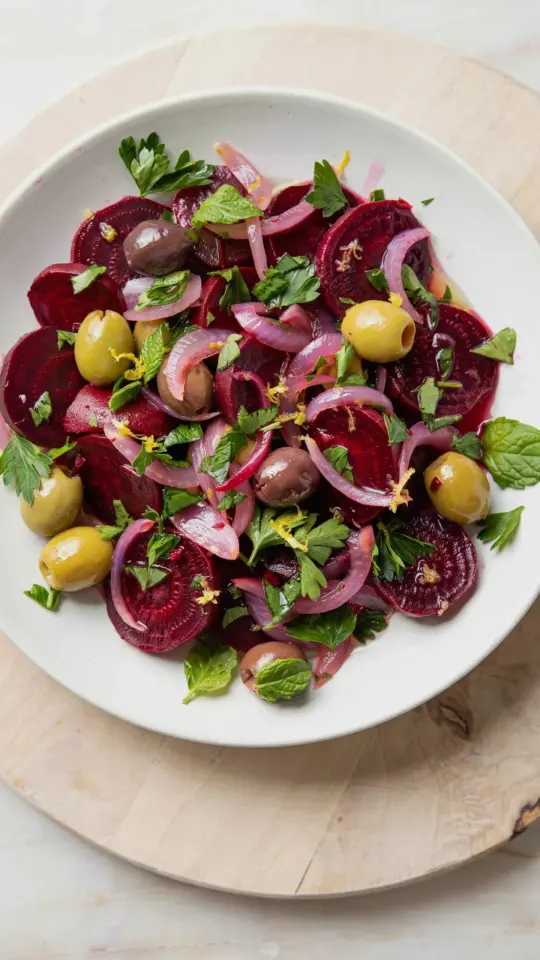
Look, I get it. Winter produce gets boring. You stare at the same sad kale and the same floury tomatoes, and you think, “this is it?” But a jar of pickled beet salad for winter changes the whole game. It is tangy, earthy, and ridiculously easy to make with a simple brine that costs about a dollar. I have been called crazy for this, but here’s the thing: I look forward to this salad more than most hot meals when it’s freezing outside.
This isn’t one of those fussy recipes that requires a fermentation crock or a chemistry degree. It is a real, working-class ferment that uses basic kitchen gear and cheap root vegetables. If you have fifty cents for a beet and some salt, you are basically already halfway there. Honestly, the hardest part is waiting a few days for the magic to happen.
Easy fermented beet recipe that works with any budget
Ok so let’s get the core method out of the way. This easy fermented beet recipe relies on lacto-fermentation. That’s a fancy term for letting good bacteria eat the sugars. You do not need starter cultures or whey or any of that boutique stuff. You just need salt, water, and beets.
The one thing I refuse to compromise on is the salt. Use non-iodized salt. Cheap sea salt or kosher salt works great. Iodized salt can make the brine taste weird and can slow down fermentation. Do not use “salt substitute” either, it will not work. The beets stay crisp if you keep the salt ratio at about 2% of the total weight of water and veggies. For a standard quart jar, that’s roughly one and a half teaspoons of salt per cup of water.
Here’s a budget breakdown that might surprise you:
– Beets: Often $1.50 to $2.00 per bunch at a regular grocery store, cheaper if you get them from a farmers market at the end of the day.
– Salt: Pennies per batch if you buy a standard box.
– Filtered water: Nearly free if you use a basic pitcher filter.
– Spices: Optional. I use peppercorns and garlic cloves, which I already have.
You do not need special equipment. A wide-mouth mason jar is perfect. If you don’t have a fermentation lid, just screw the regular lid on loosely and burp it every day. Or cover the top with a coffee filter and a rubber band. The point is to let gas escape.
Why pickled beets beat cold weather salads
Winter salads are a lie. The lettuce is watery, the cucumbers are mealy, and the tomatoes taste like cardboard. This fermented beet salad is different. The brine gives it a sharp, sour bite that actually wakes up your taste buds. It pairs beautifully with roasted meats, creamy soups, or even just a hunk of bread.
I like to serve it cold directly from the fridge. In winter, something cold might seem counterintuitive. But the tangy acidity cuts through heavy winter food like nothing else. It clears your palate. It makes a bowl of stew feel more interesting. It also keeps for months, which means you can make a batch in November and still eat it in February.
Another good thing? Fermented foods help your gut. I am not saying this is a magical cure-all. But there is real science behind eating live bacteria. In the dead of winter, when fresh local produce is scarce, having a jar of living food in the fridge is a genuine win.
The simple brine recipe (and the exact spice mix I use)
Let me give you the exact measurements that work in my kitchen. This makes one quart jar full of salad. I slice the beets thin, like coin-sized rounds. Thinner slices ferment faster and are easier to grab with a fork. Some people grate their beets, but I find grated beets turn mushy. Slices keep a bit of crunch.
Here is what to prep:
– 4 to 5 medium beets, peeled and sliced thin
– 2 cloves of garlic, smashed
– 1 teaspoon black peppercorns
– 1 small bay leaf
– 1.5 cups filtered water
– 1.5 teaspoons non-iodized salt
Dissolve the salt in the water. Pack the beets, garlic, peppercorns, and bay leaf into your jar. Press down firmly so the beets are compact. Leave about an inch of headspace at the top. Pour the brine over everything. The brine needs to cover the beets completely. Any veggie poking above the liquid will get moldy.
Weird aside: I once added a small piece of fresh ginger to a batch just to see what would happen. It added a slight warmth that was actually delicious. But my sister hated it. So I keep the version above as my default. It’s clean and classic.
Troubleshooting common beet fermenting issues without panic
Look, things go wrong sometimes. That’s normal. If you see a little white film on top, that’s usually kahm yeast. It’s harmless. You can just scoop it off and keep going. If you see fuzzy black or green mold, throw that batch out. Don’t mess with mold.
If the brine turns cloudy, that’s a good sign. It means the bacteria are working. If your jar smells like farts, that’s also fine for the first few days. It fades. If it smells like actual garbage, then no, that’s not right. Trust your nose on that one.
One common mistake is forgetting to push the beets back down every day. The liquid level can drop as the veggies absorb water. I just shake the jar gently every morning. That usually keeps everything submerged. Also, keep the jar out of direct sunlight. A dark cupboard or a corner of the counter works fine. Room temperature is okay, but cooler is better for crispness. I prefer to ferment mine for 5 to 7 days. After that, it goes in the fridge.
How to store fermented beets so they actually last
Once the beets taste good to you, move the jar to the refrigerator. Cold storage slows down fermentation dramatically. The salad will keep for at least 3 to 4 months. I have eaten beets that sat in my fridge for six months, and they were still fine, just a little more sour.
Always use a clean fork when you take beets out of the jar. I know it’s tempting to just stick a dirty spoon in there. But every time you contaminate the jar, you risk introducing bad bacteria. Keep it clean. This is the difference between a jar that lasts months and one that goes off in two weeks.
Also, do not rinse the beets before eating them. The brine is the best part. It keeps them tangy. I just lift them out and let them drip for a second. If you want to use the leftover brine, you can. I sometimes add a splash of it to salad dressings or to a bloody mary. That’s a weird tip, but honestly, it makes a great drink.
Why this budget friendly winter salad is a weekly hero
This is the winter salad I literally won’t shut up about, and not just because it’s cheap. It’s because it makes every other meal better. I have it with fried eggs in the morning. I toss some into a grain bowl for lunch. I even put a few slices on a sandwich with cheddar cheese. It always works.
It’s also a great way to use up beets that have been sitting in your root cellar or fridge drawer for too long. Beets are tough. They can wait a while. But when you see them starting to get a little soft, fermenting them is a solid rescue mission. You turn an almost sad vegetable into something bright and exciting.
If you are truly on a tight budget, buy the ugliest beets you can find. The lumpy ones. They are usually the cheapest, and they taste exactly the same. Peel them anyway, the skin is tough. The deep red color will stain your hands, and yes, your cutting board. It will look like a crime scene. Just use a plastic cutting board or line your wooden one with a plastic bag. That is the only annoying part of this recipe, honestly.
Alright, give this one a shot. Grab some beets, a jar, and some salt, and just try it. You might be surprised how much you like eating something you made with your own hands. Let it sit for a week, then dig in with a fork straight from the jar. It’s that good.
Leave a Comment